Theresan Military Academic Forum (TMAF) 2026
“Training 2.0: Embracing Emerging Tech to Educate Tomorrow’s Officers”
The Theresan Military Academic Forum (TMAF) 2026, our annual academic symposium, took place from 5th to 7th May 2026. Over the course of these three days, speakers from 14 nations delivered 32 presentations on their research in this field. The speakers came from military and civilian higher education institutions, as well as industry, and presented ways to best prepare future military leaders for a technology-driven operational environment. With targeted research, current educational approaches should be assessed for validity to avoid falling behind more aggressive adopters of these innovations.
Call for Papers
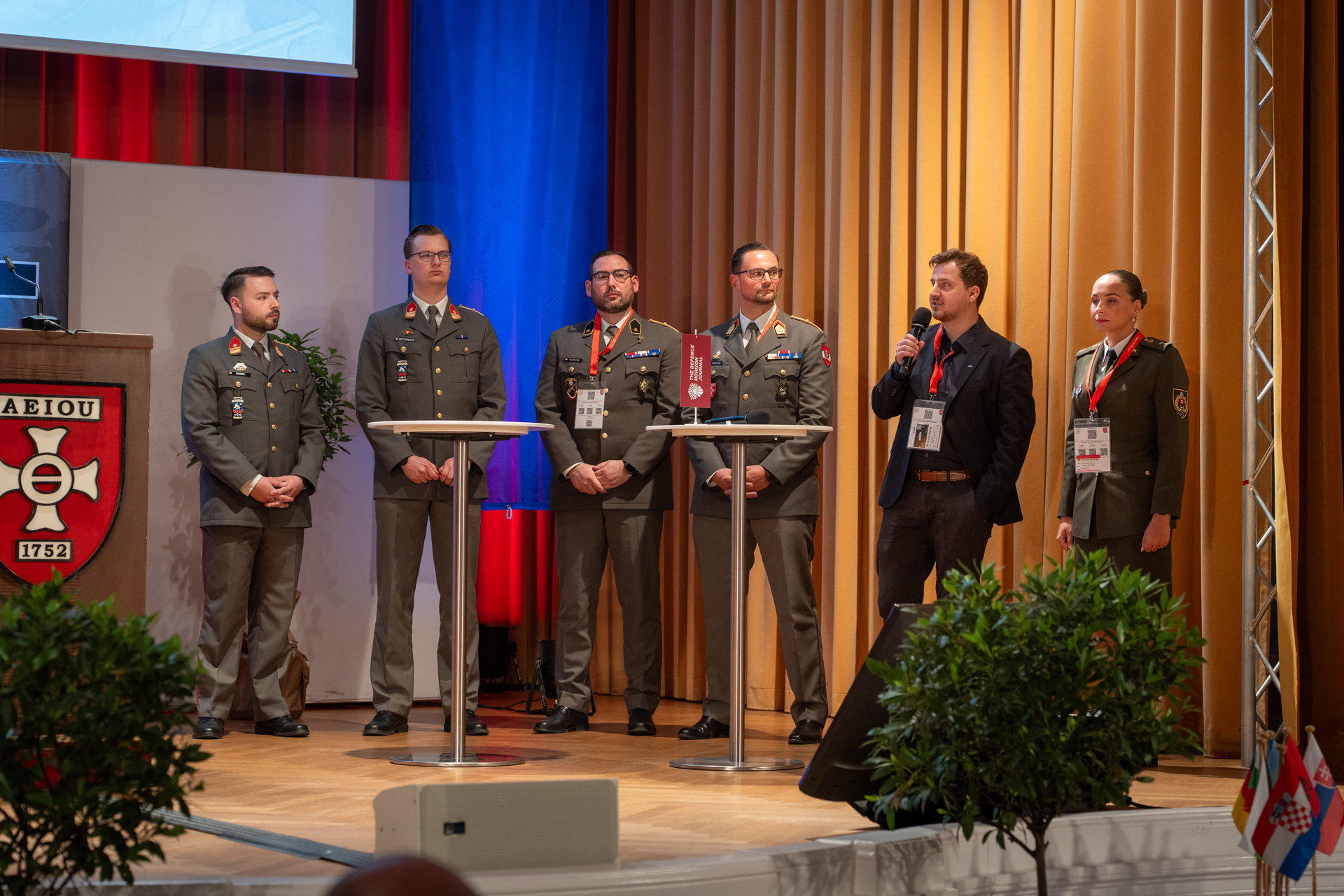
Experts and academics were invited to participate via the Call for Papers in the autumn of the previous year. Applications were made by submitting a specified abstract on the topic in English. The response to the Call for Papers was very impressive. The scientific committee evaluated the 66 abstracts submitted that met the requirements and subsequently created the programme. This year, the TMAF was conducted exclusively in English. The symposium programme followed the usual sequence of two to three thematically related presentations, followed by a discussion between the audience and the speakers. As in previous years, we collaborated with the academic platform The Defence Horizon Journal.
Exhibition
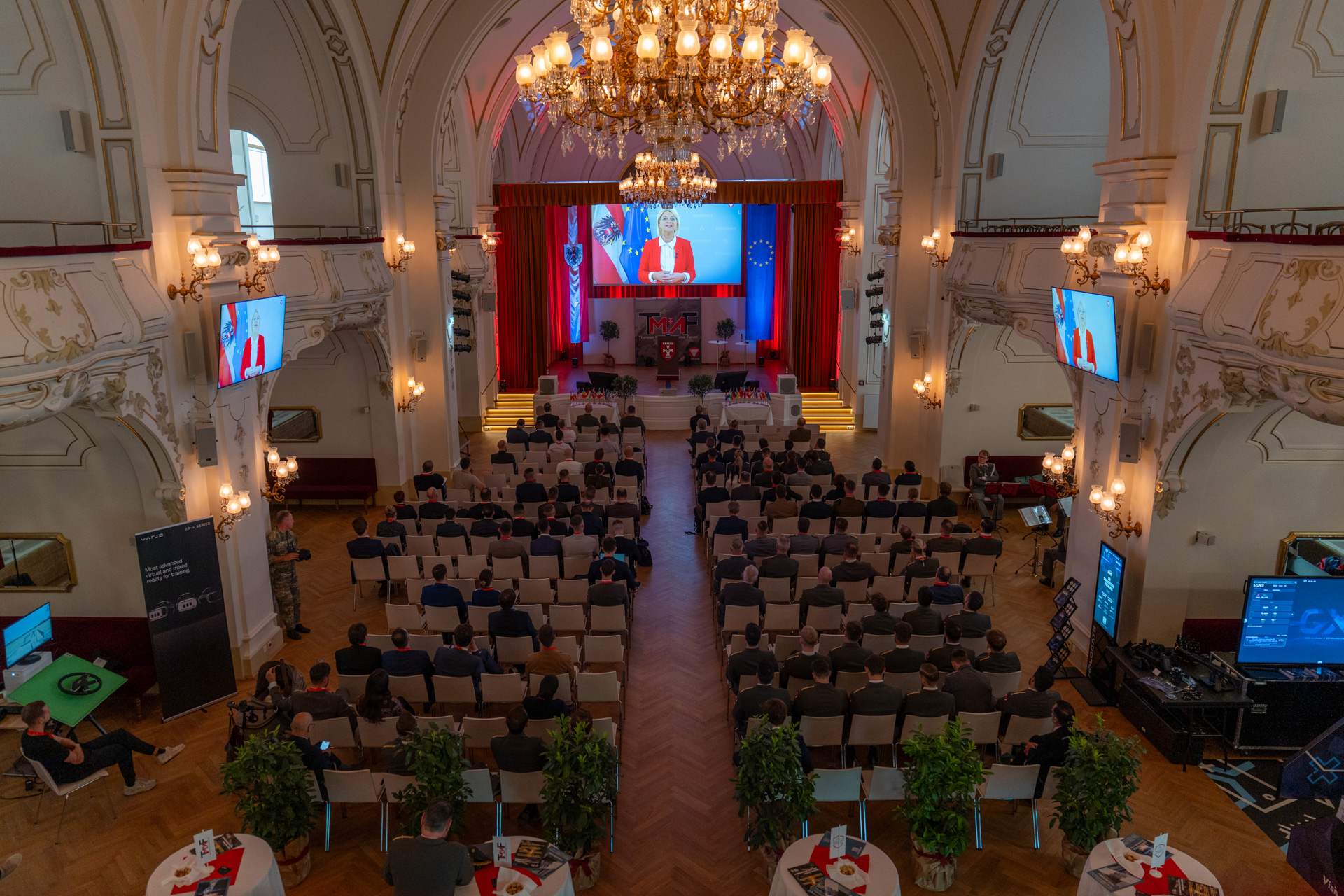
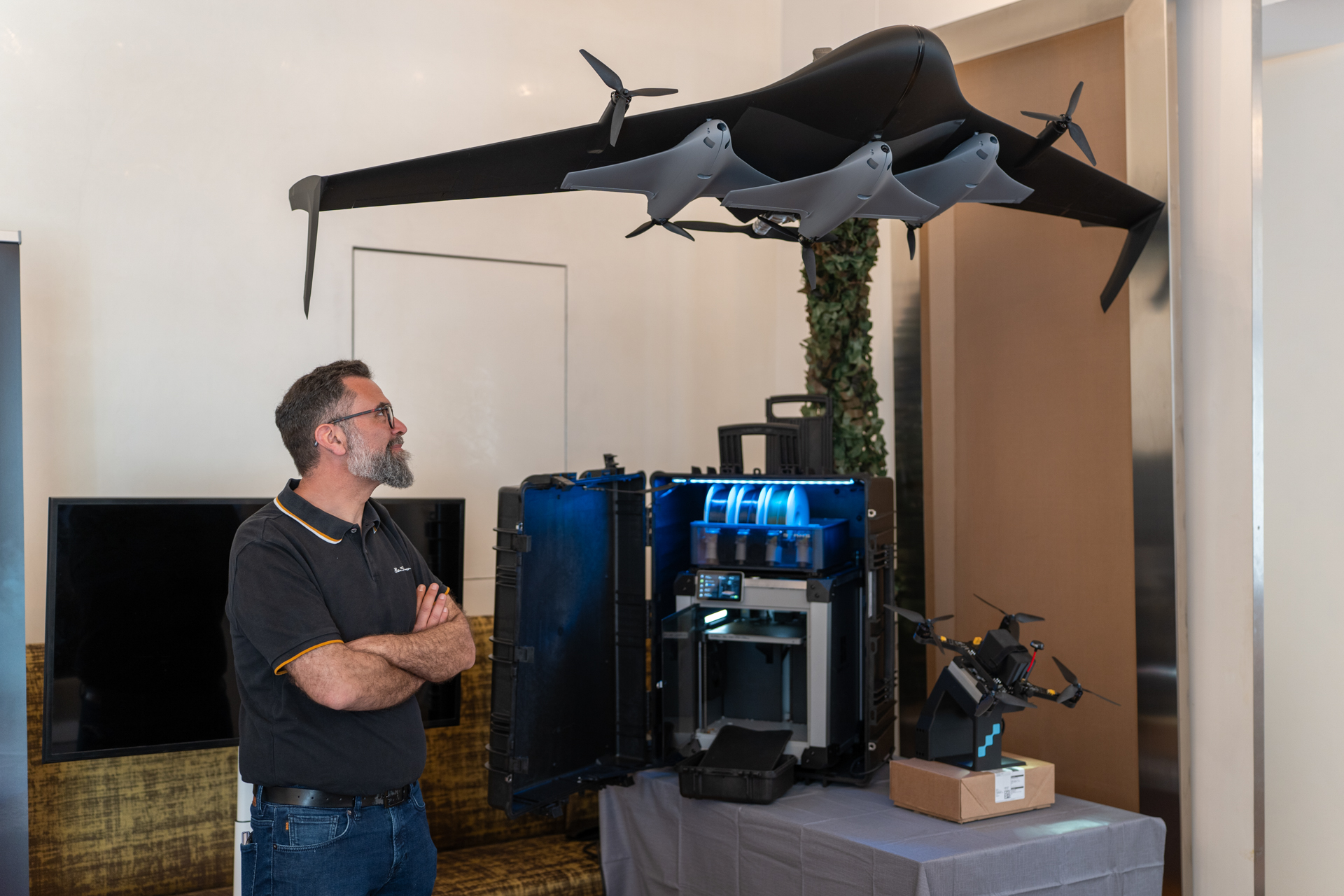
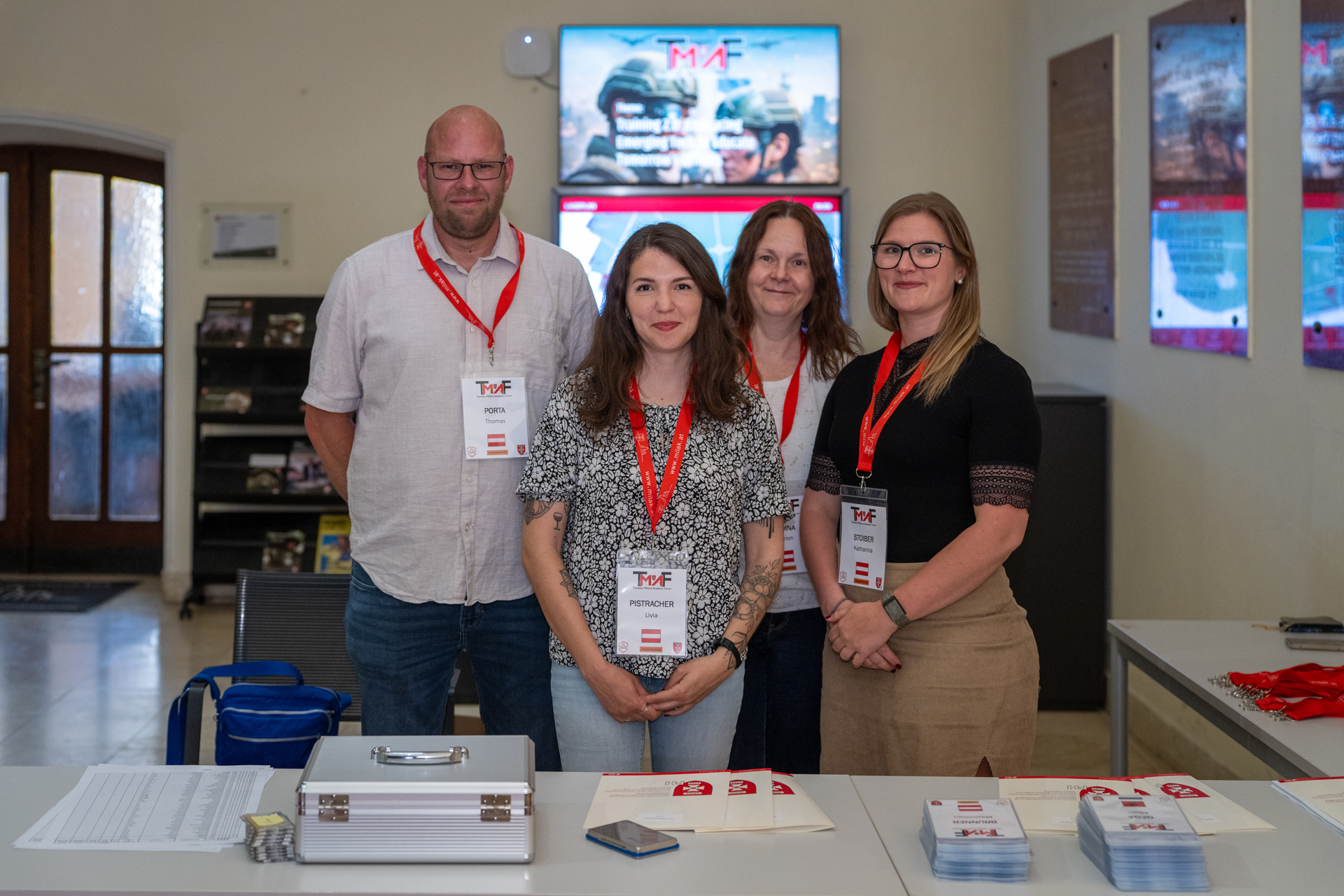
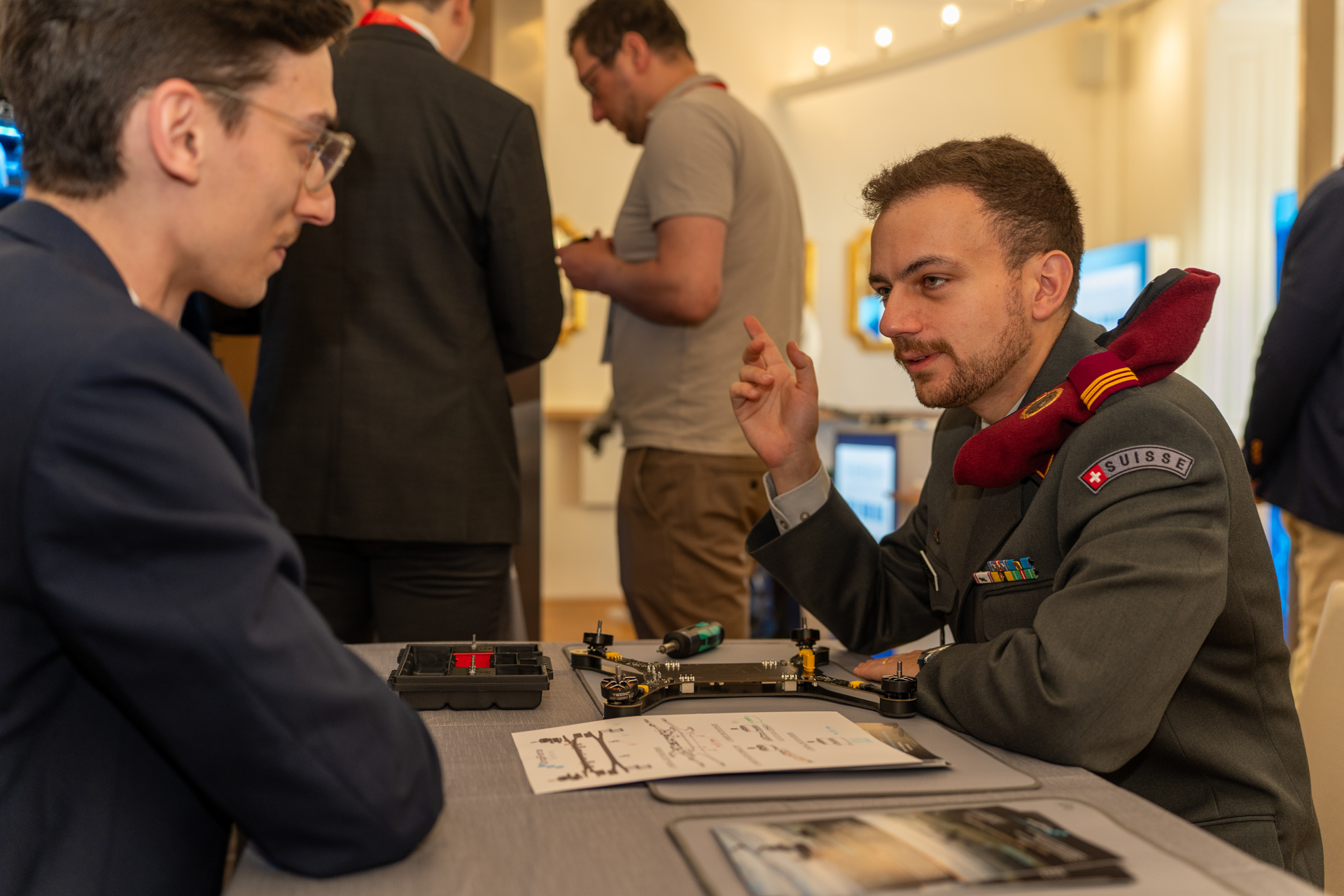
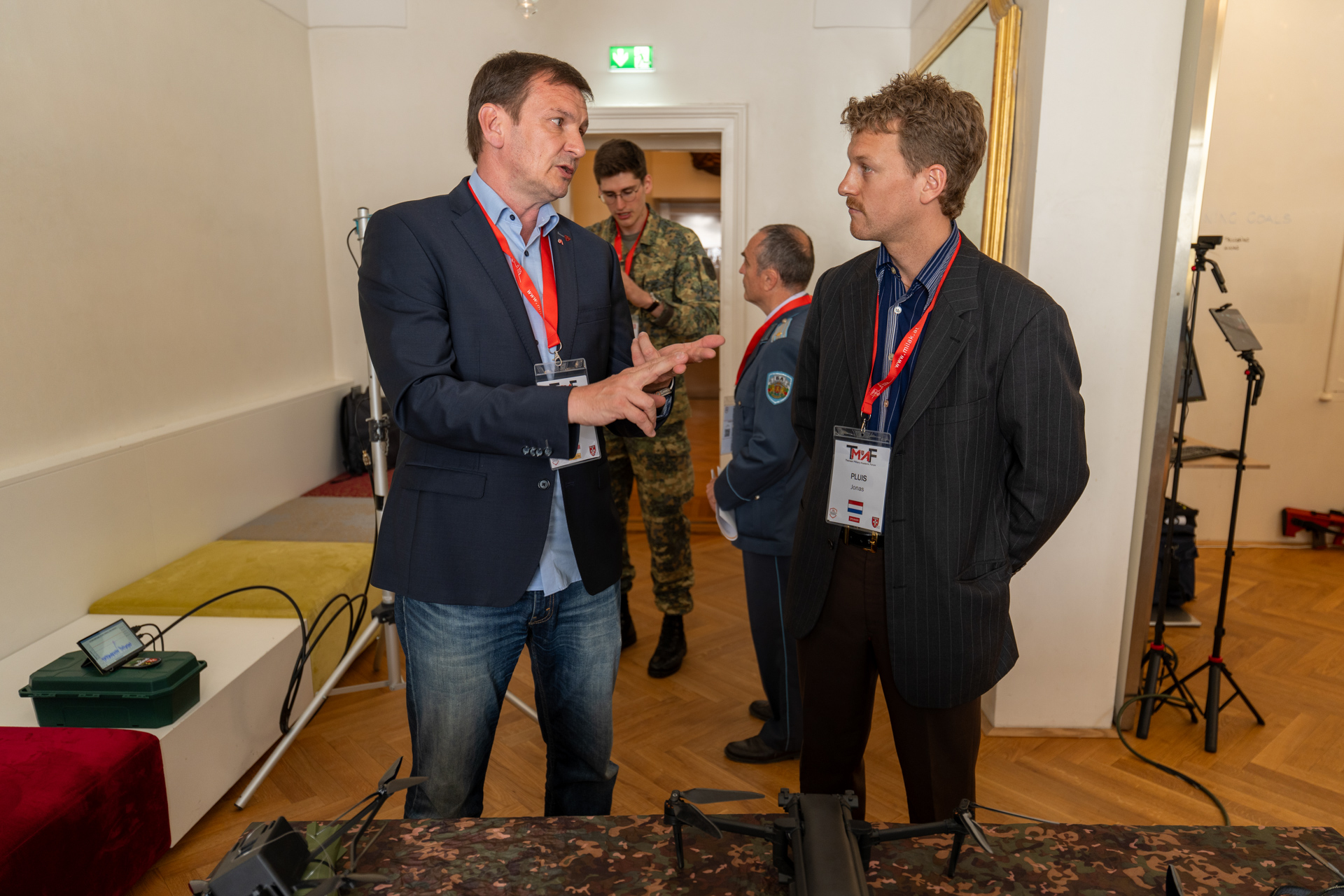
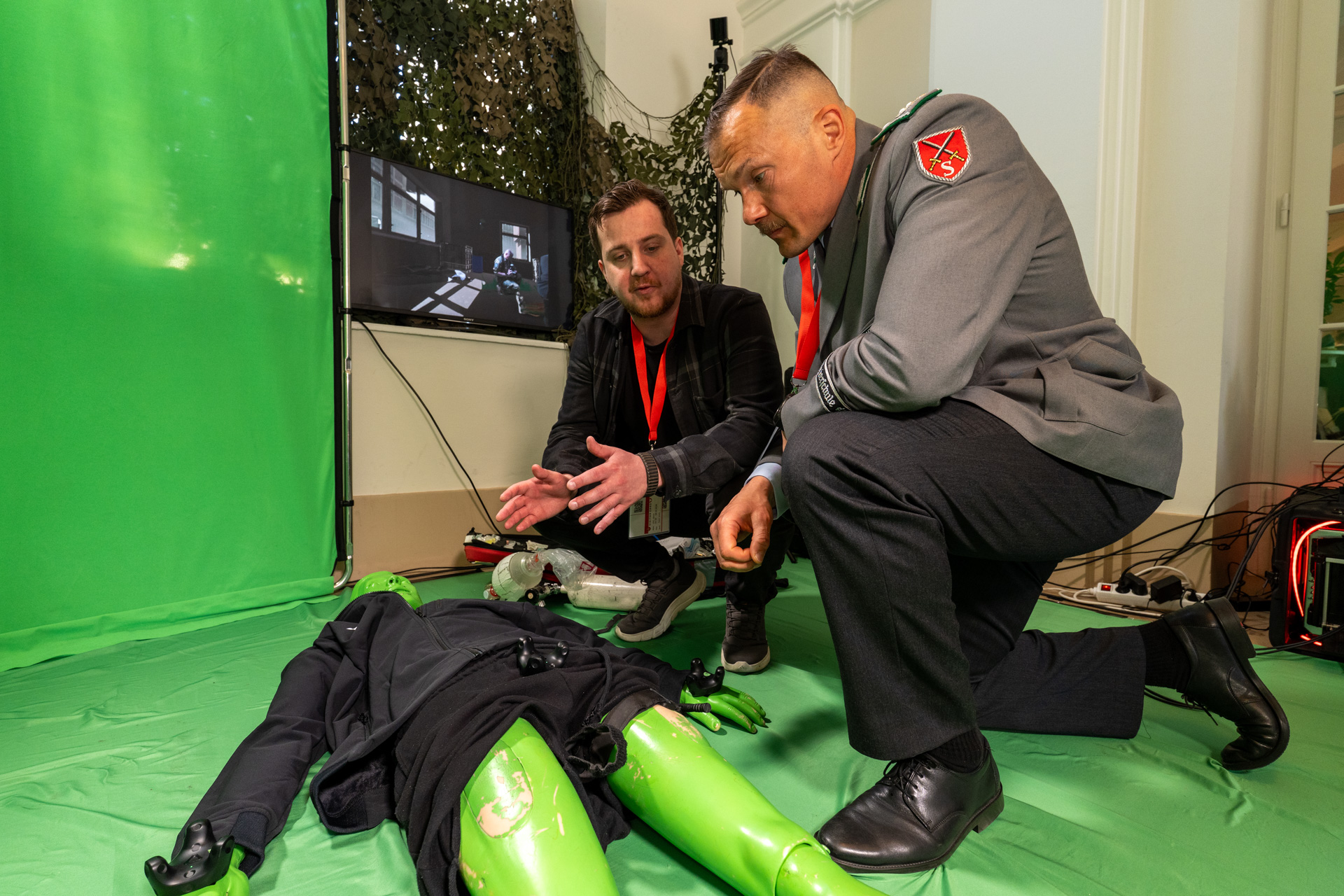
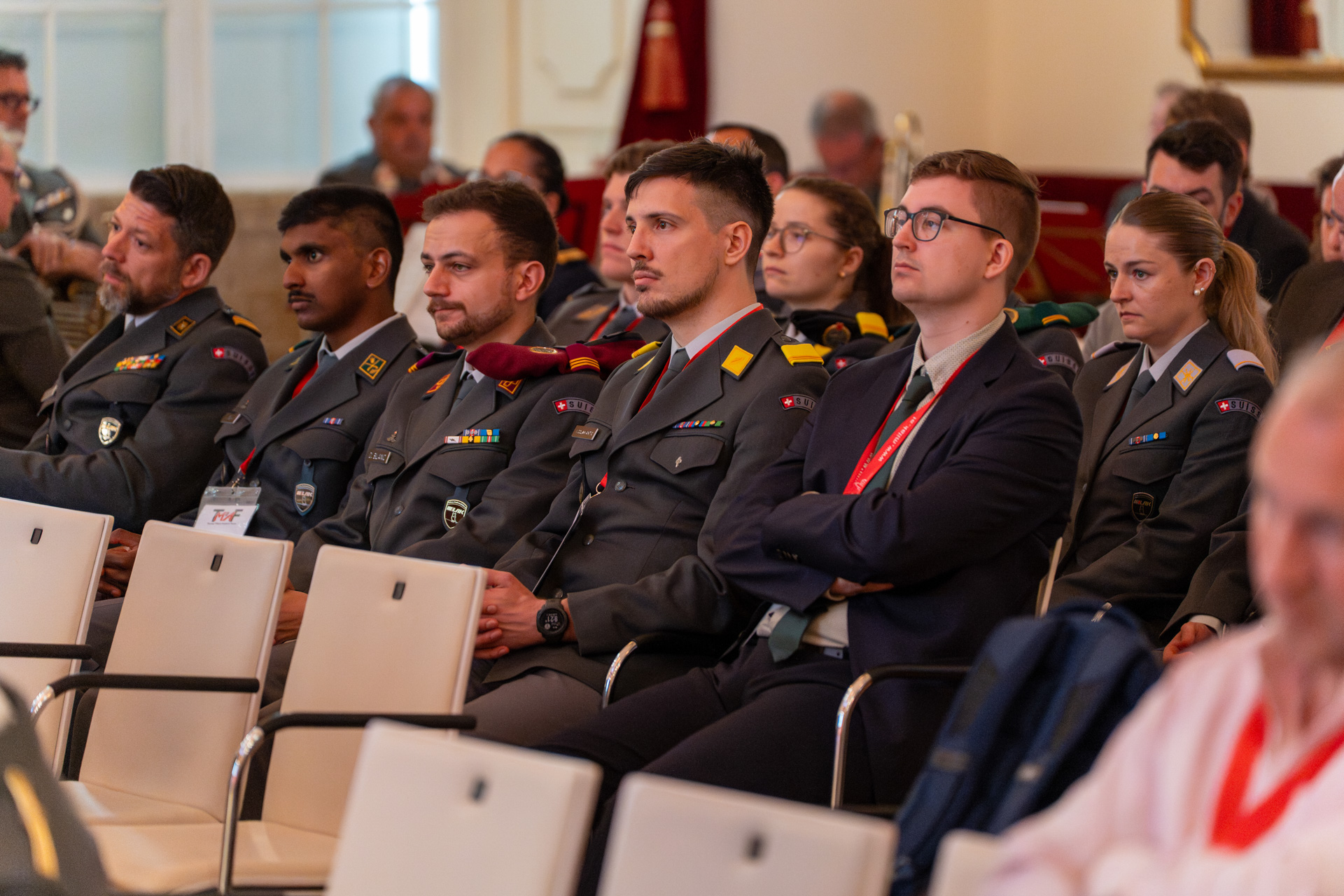
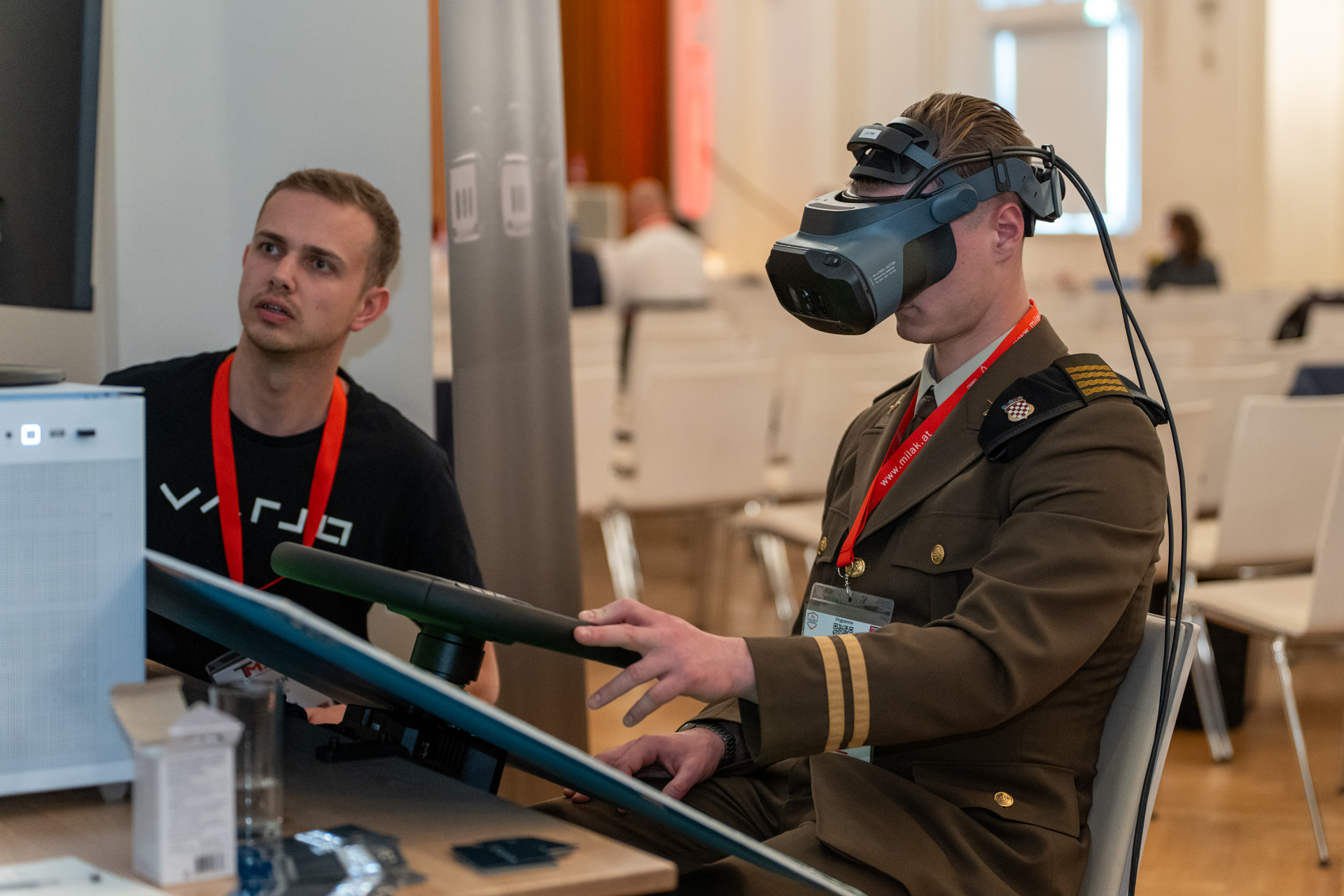
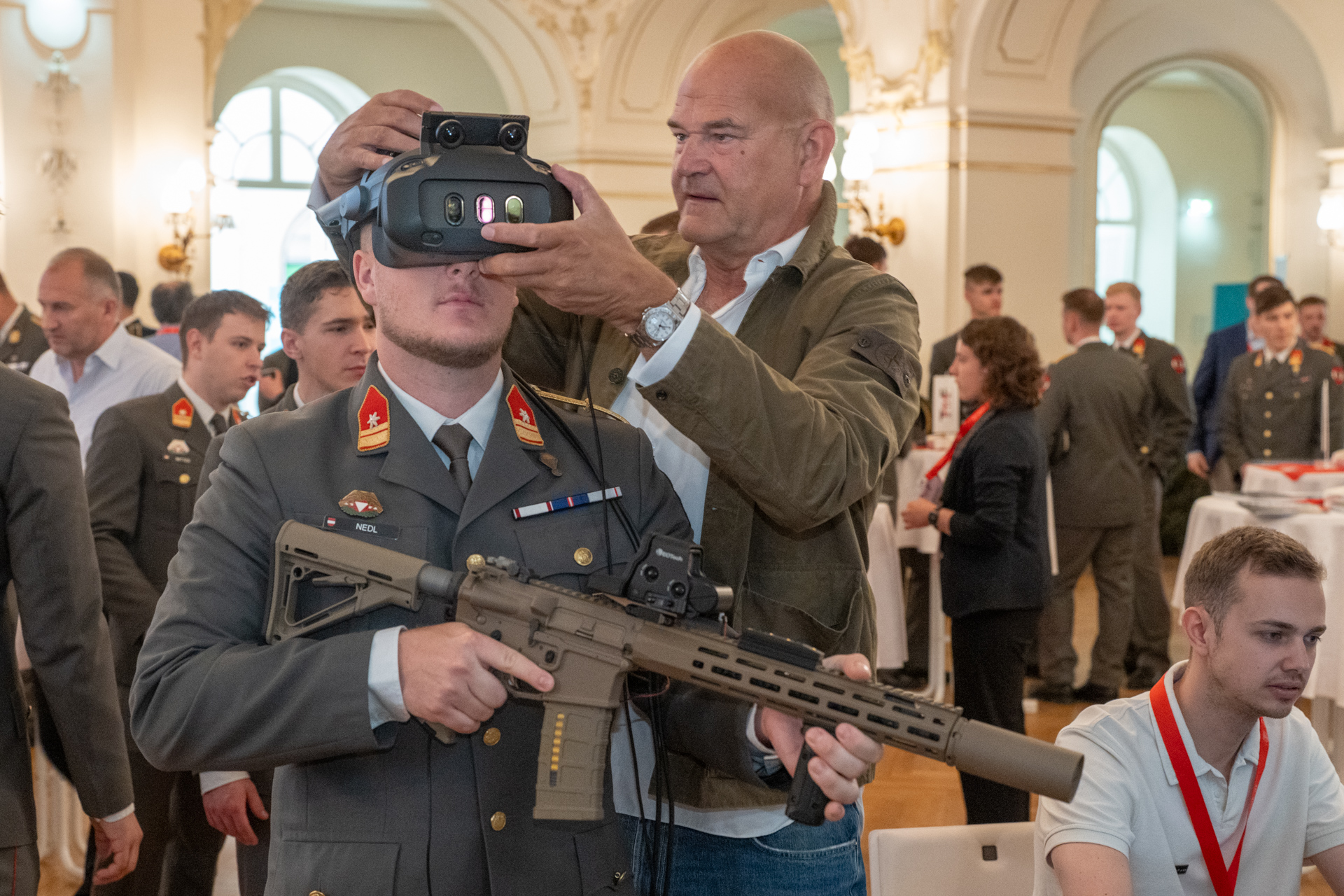
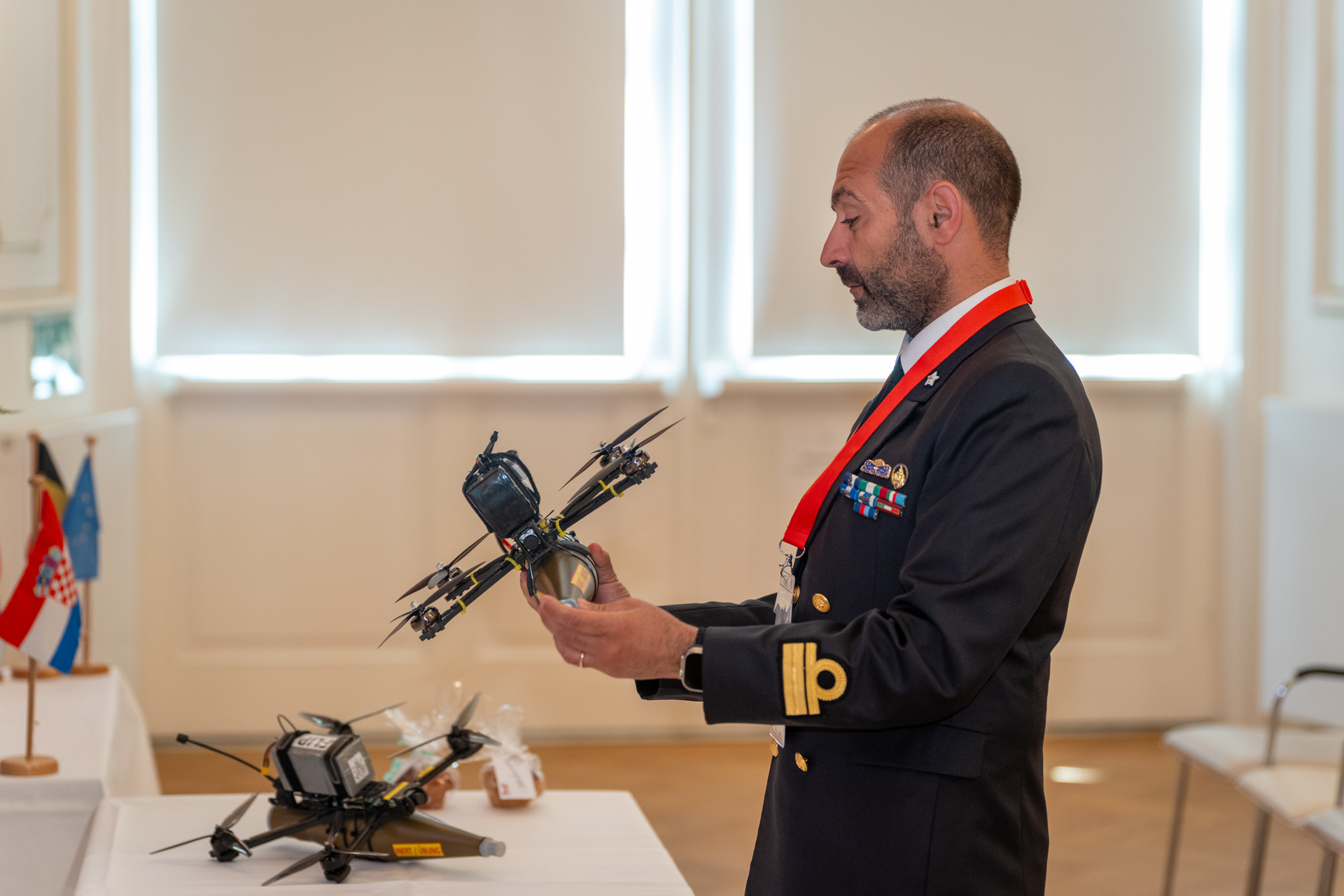
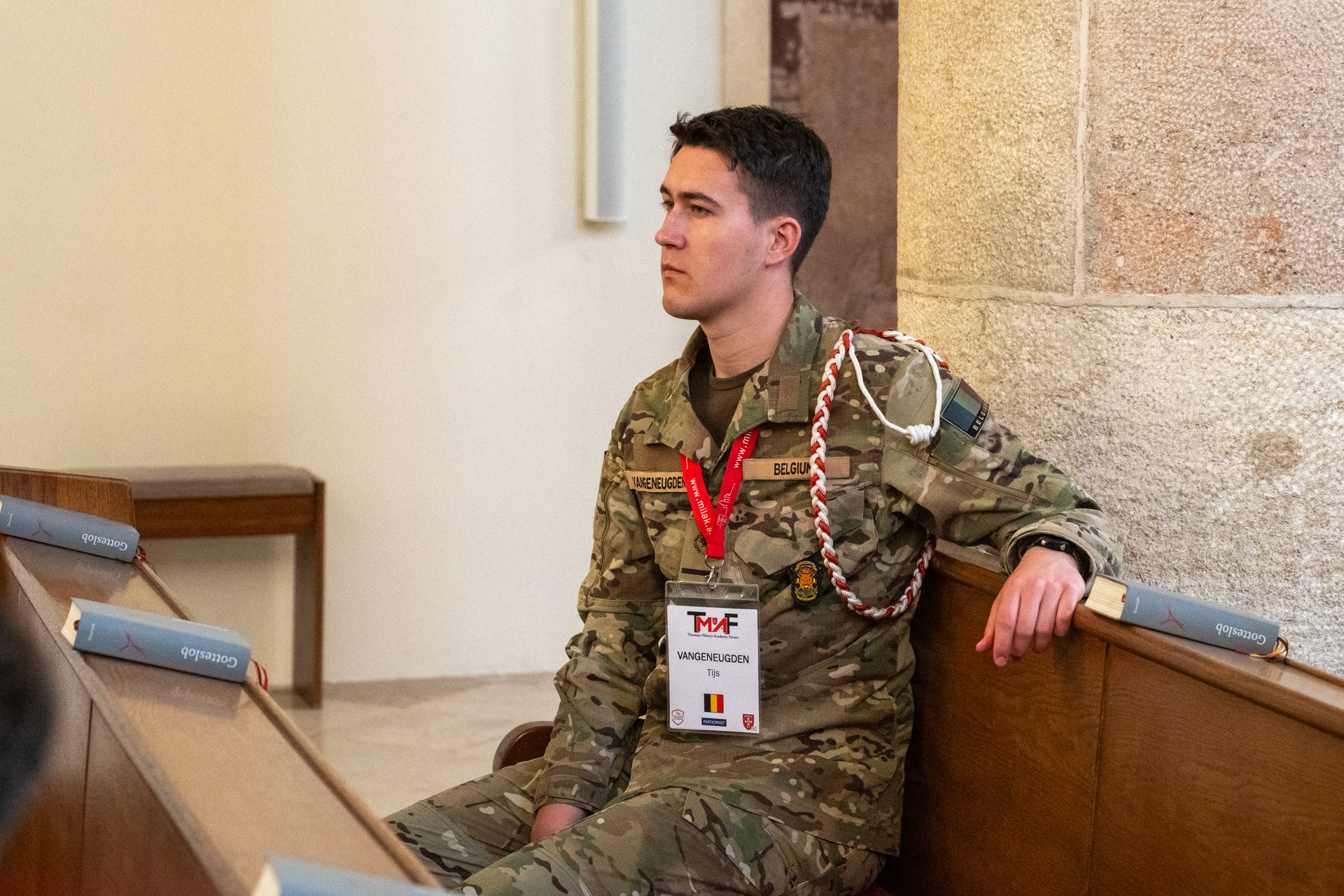
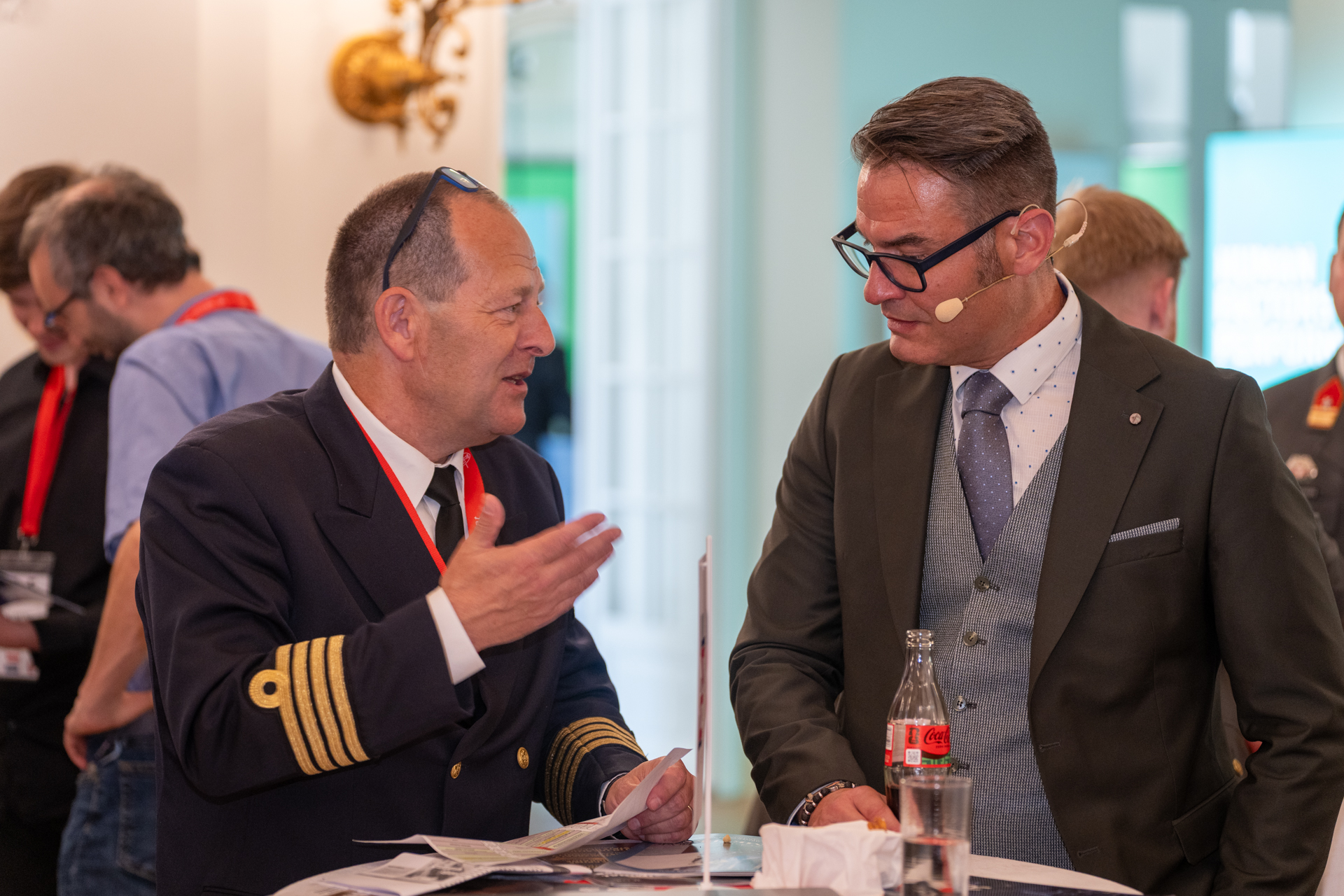
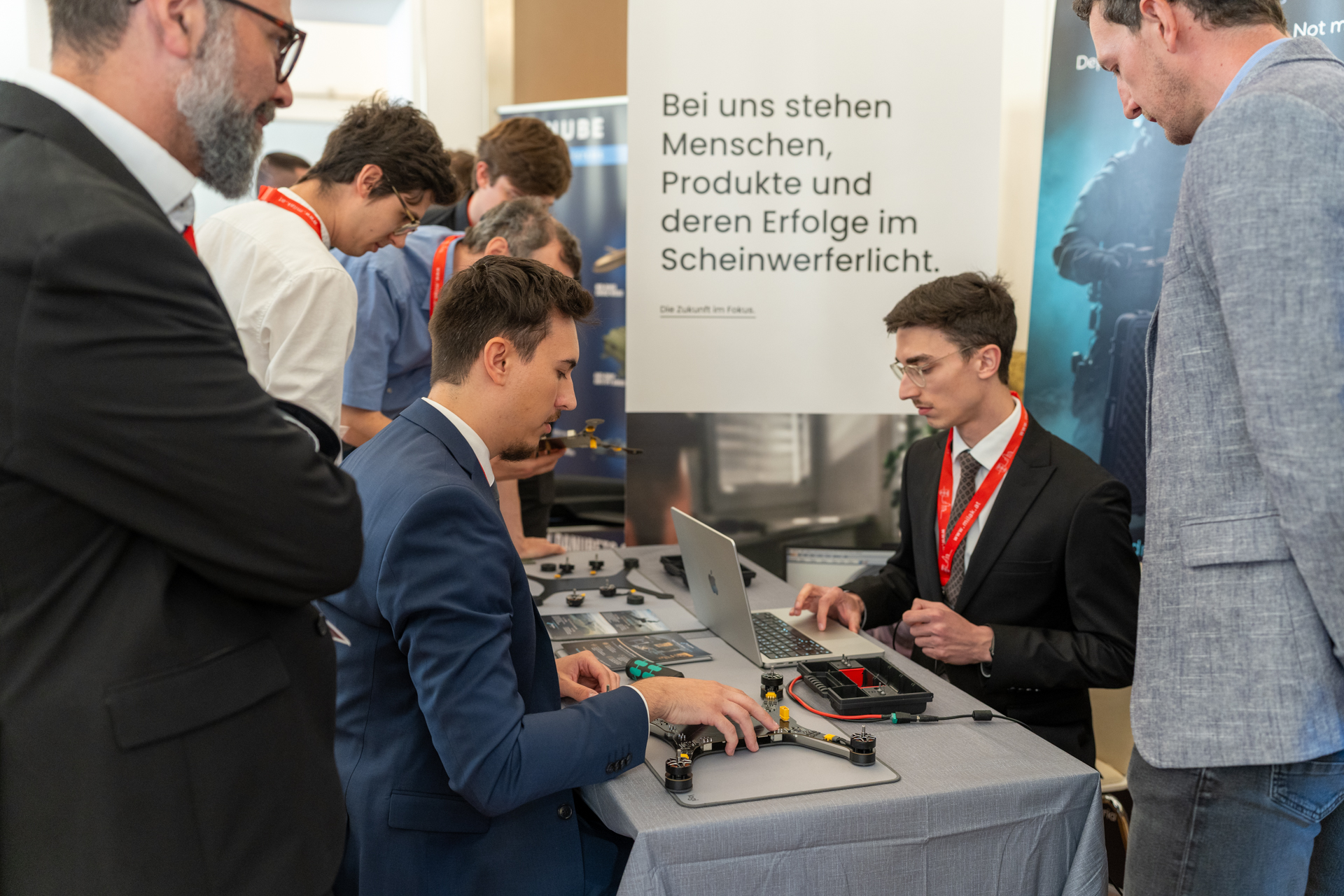
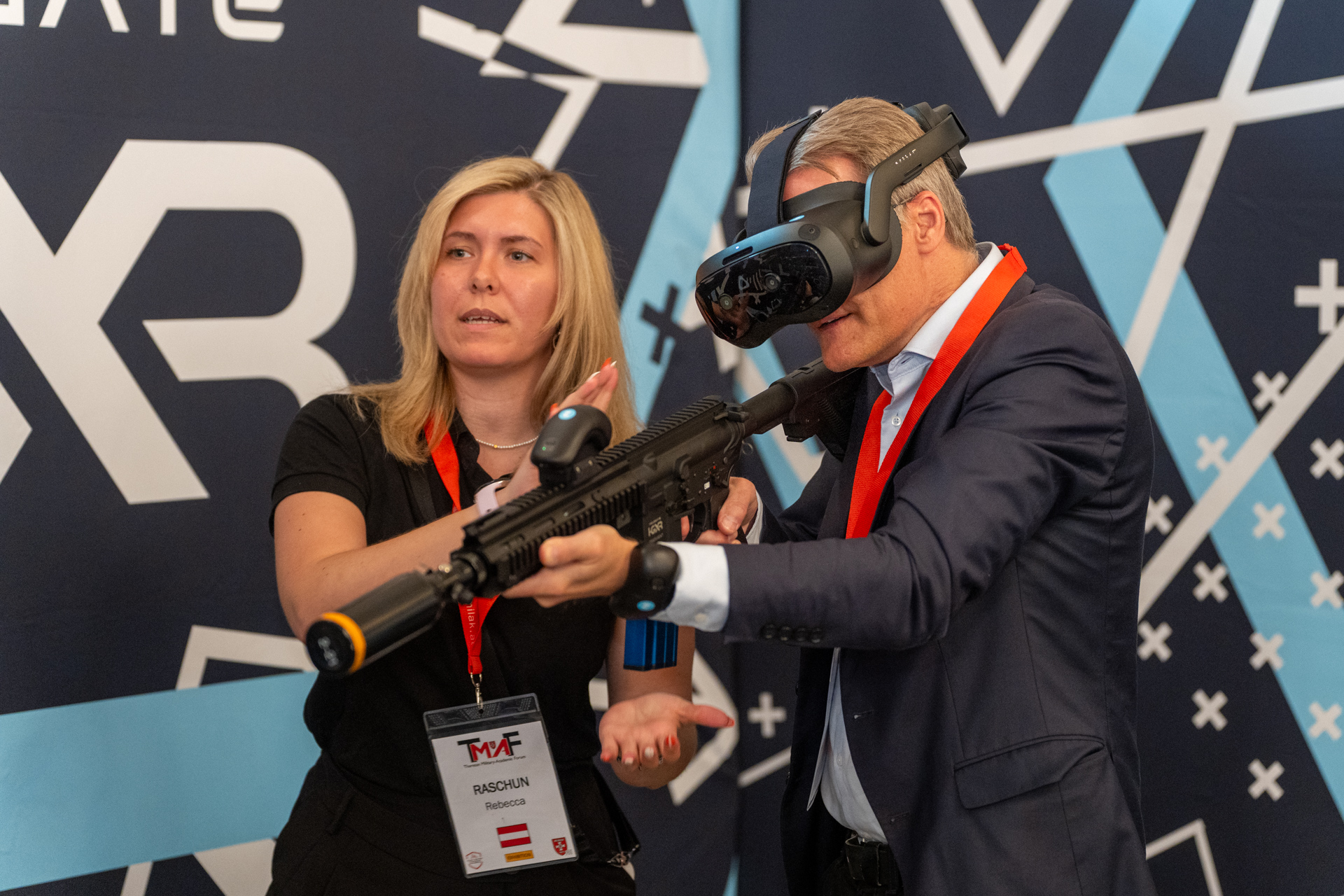
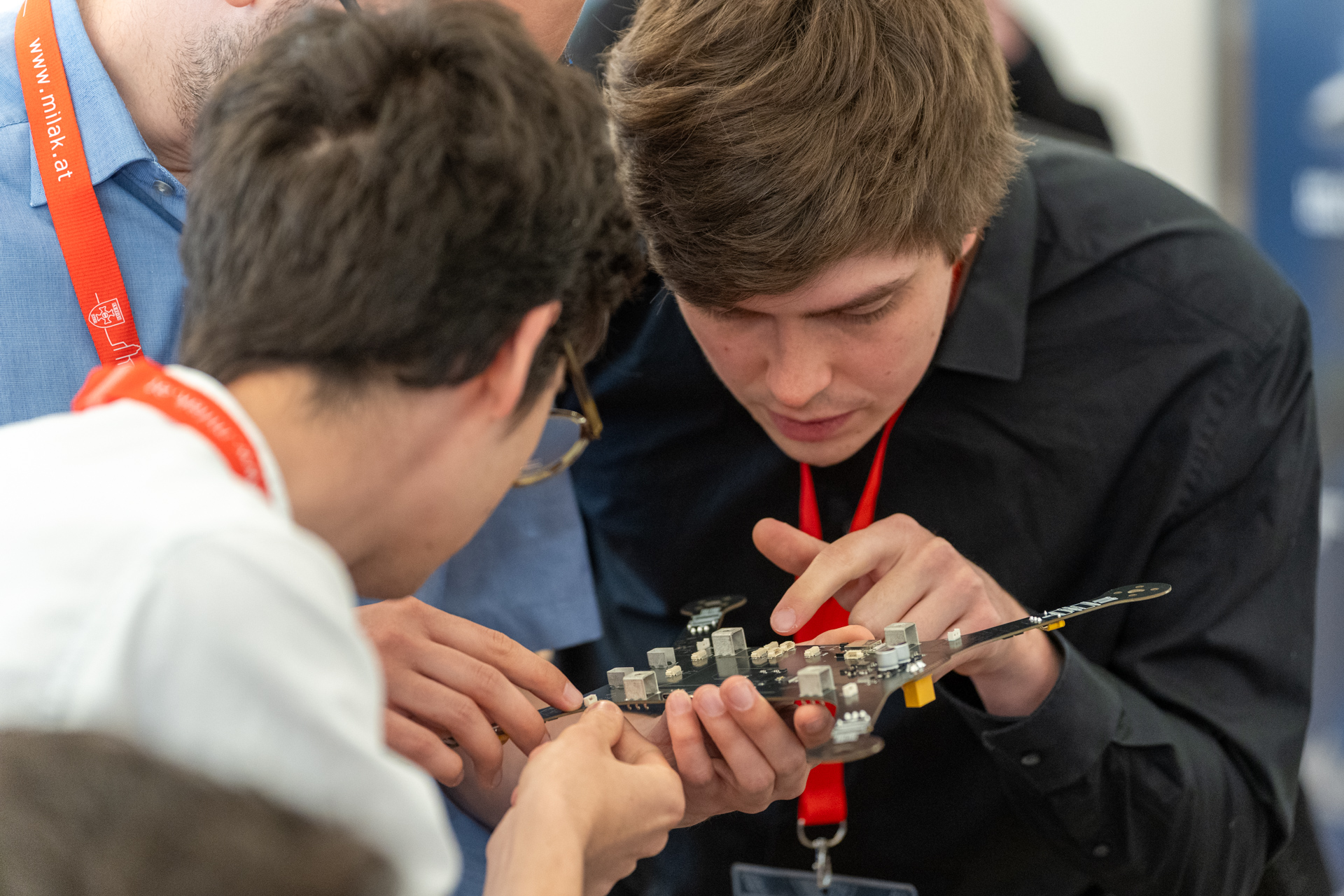
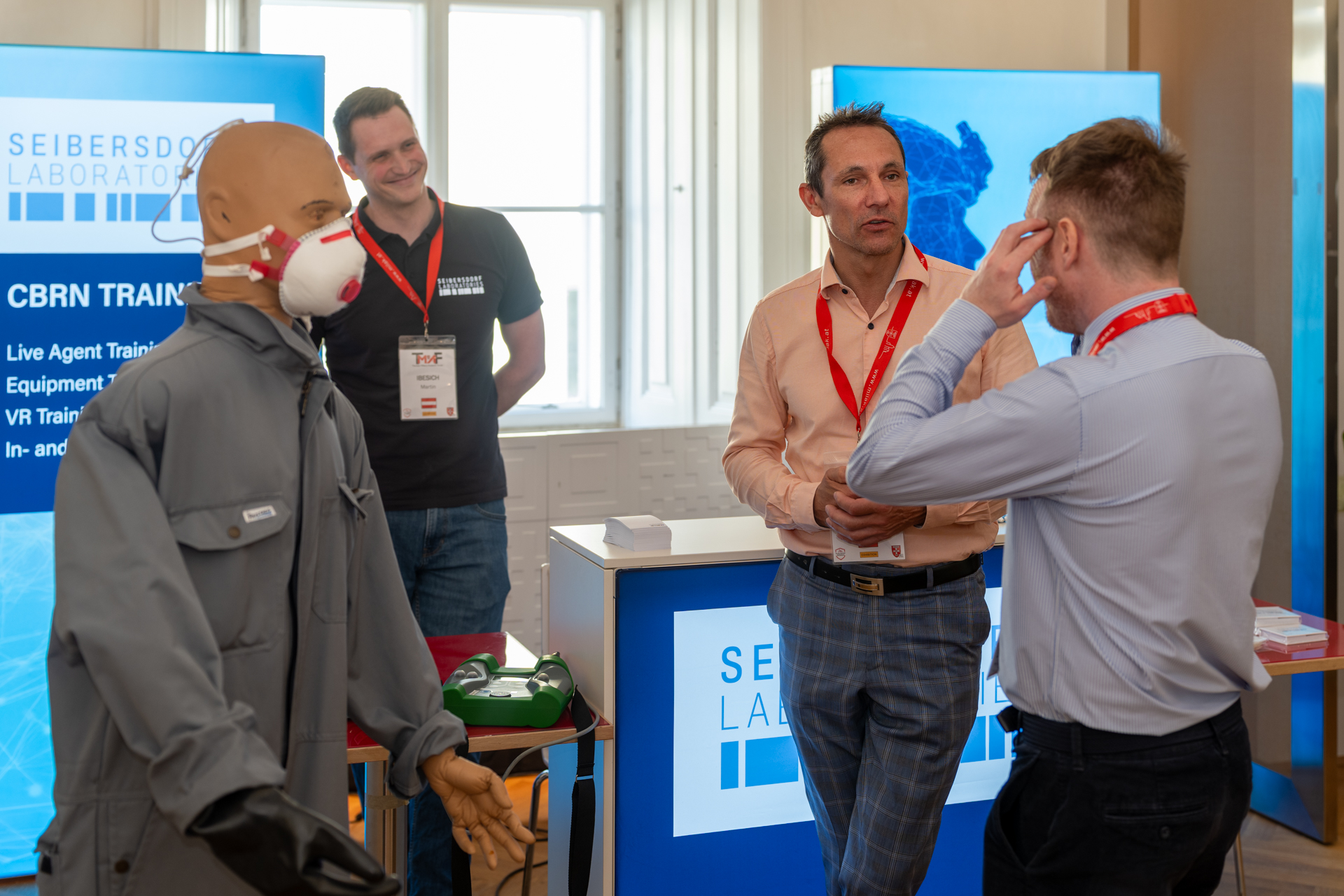
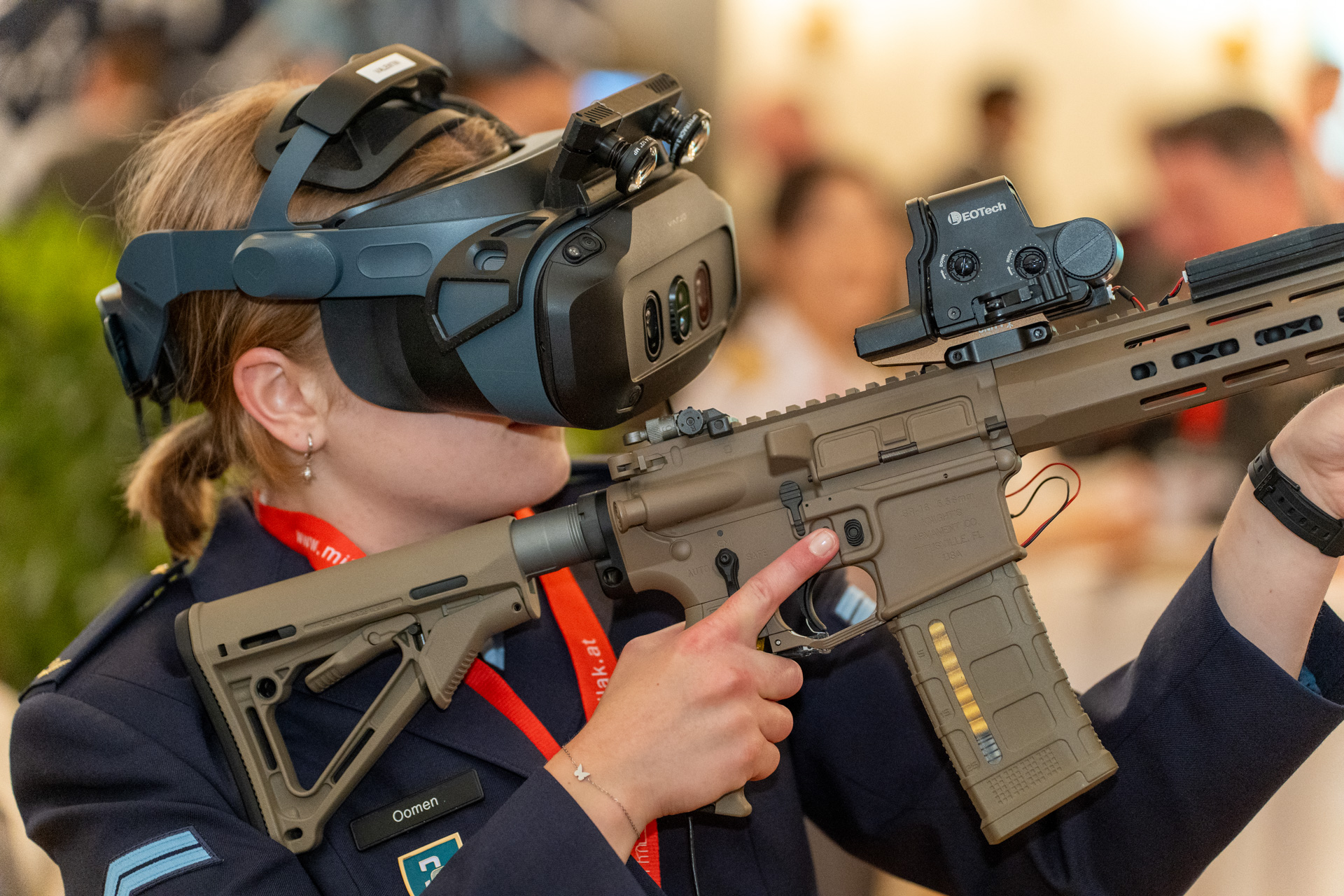
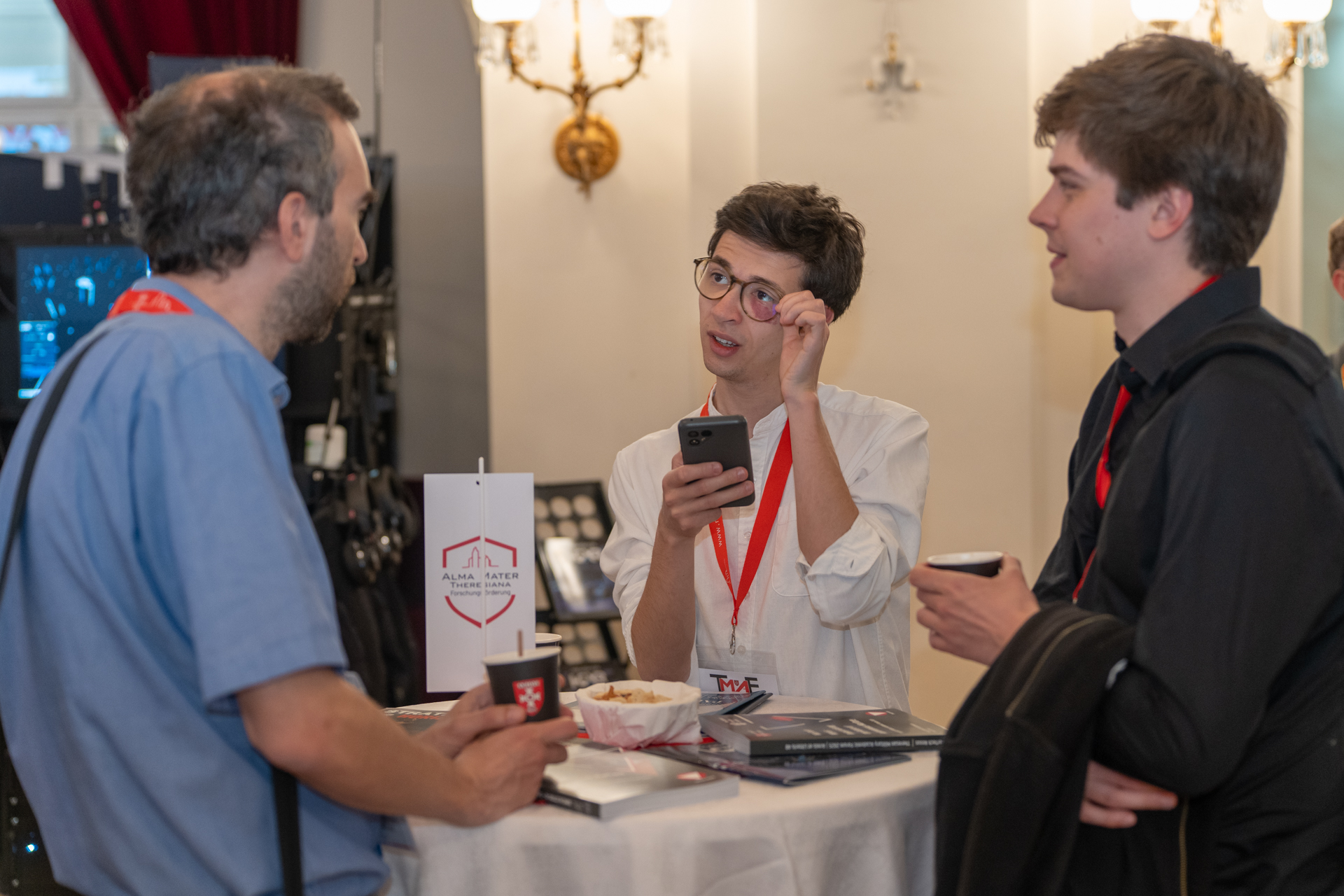
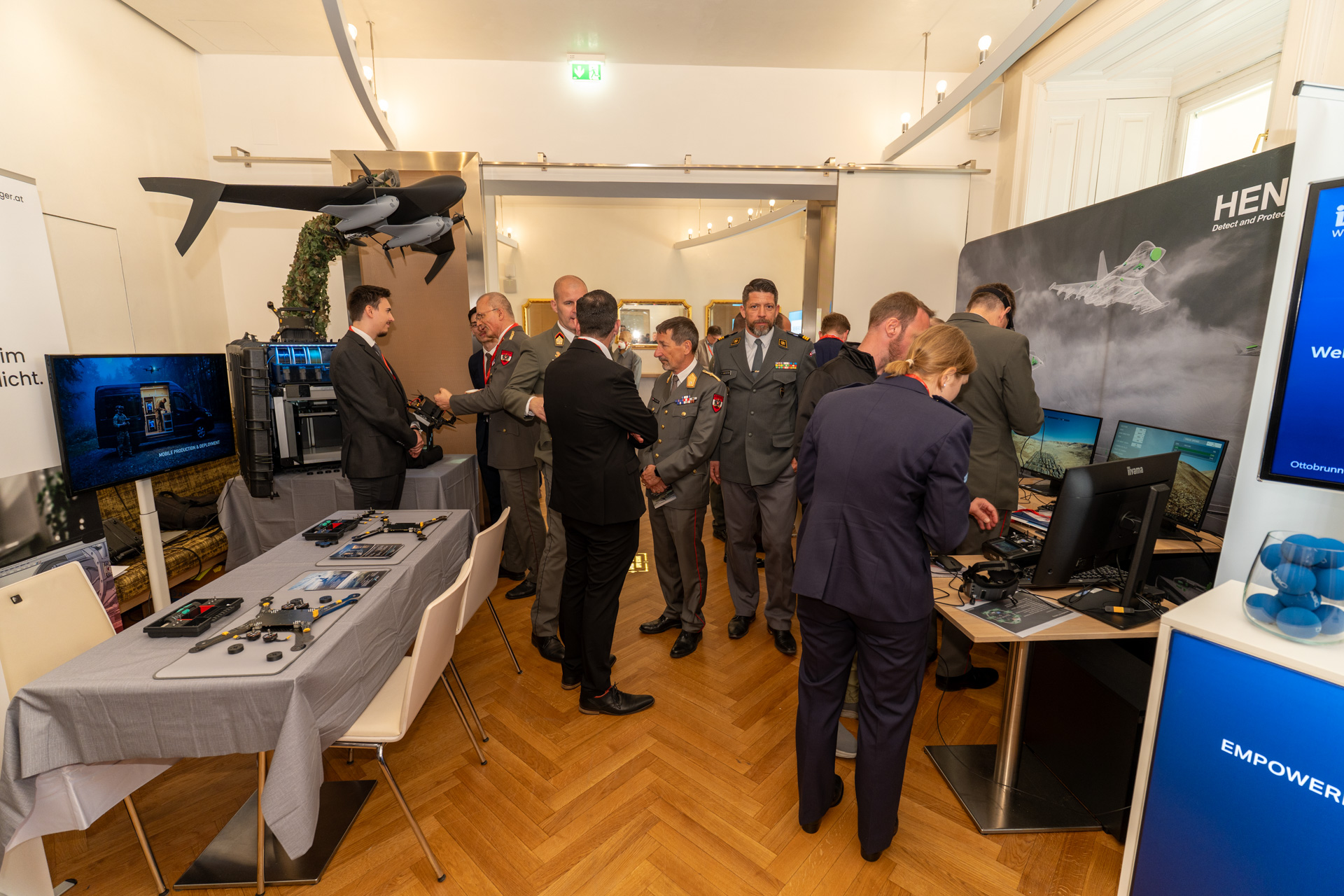
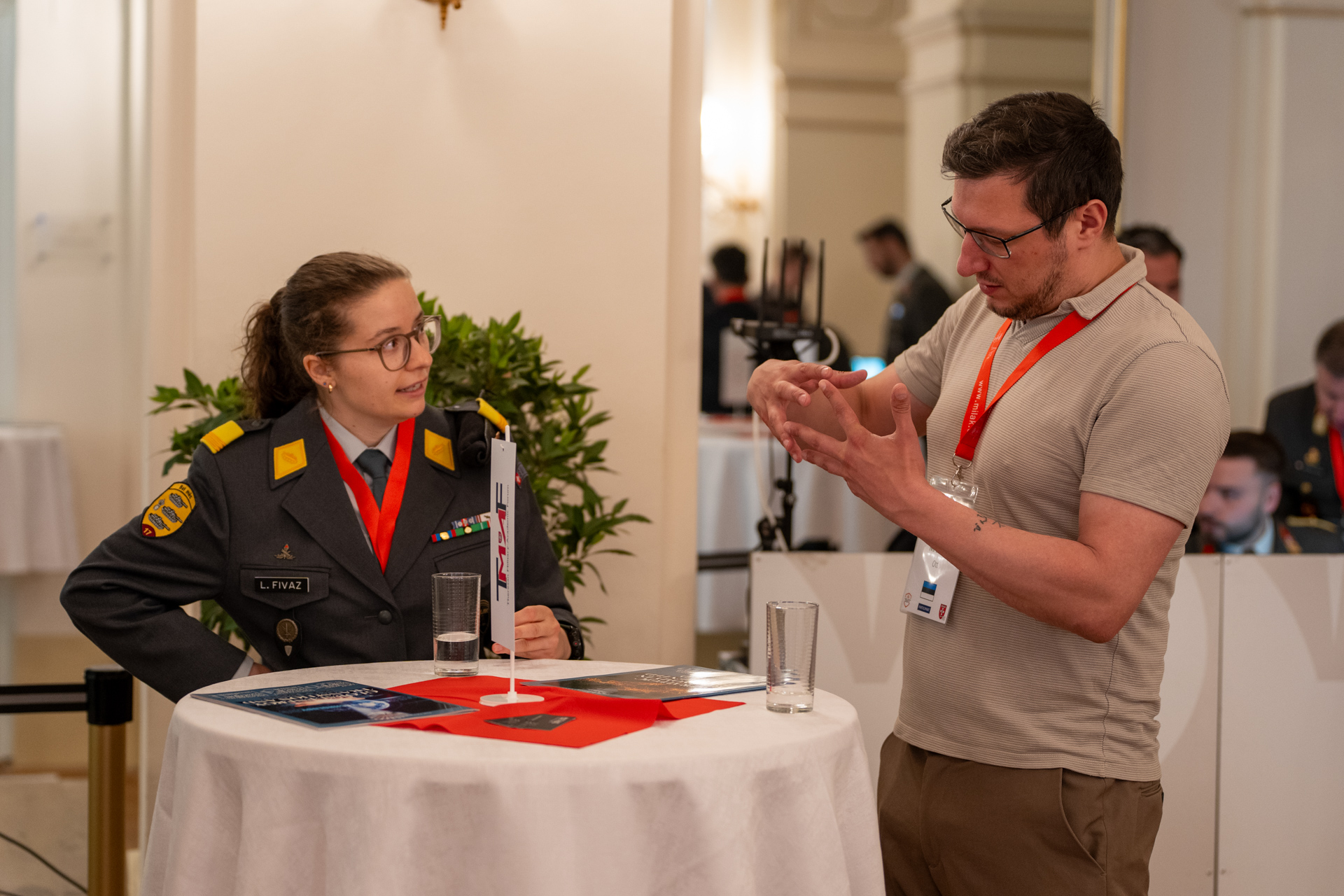
In collaboration with the Austrian Institute of Technology (AiT), under the leadership of Mr Markus Murtinger, the industry was invited to participate this year. Nine selected national and international companies demonstrated the results of their research collaborations and support options for the further development of military training to meet future requirements. The involvement of industry significantly enhanced the professional exchange on the topic, as the presentations became more comprehensible to participants through the demonstration of practical applications. Furthermore, the exhibitors benefited from engaging with potential users of these products. The programme organised for the symposium, together with the inclusion of industry for the first time and the opportunity for exchange, attracted a very large number of participants. Speakers and participants from 27 nations filled the Sparkassensaal to its capacity.
Opening
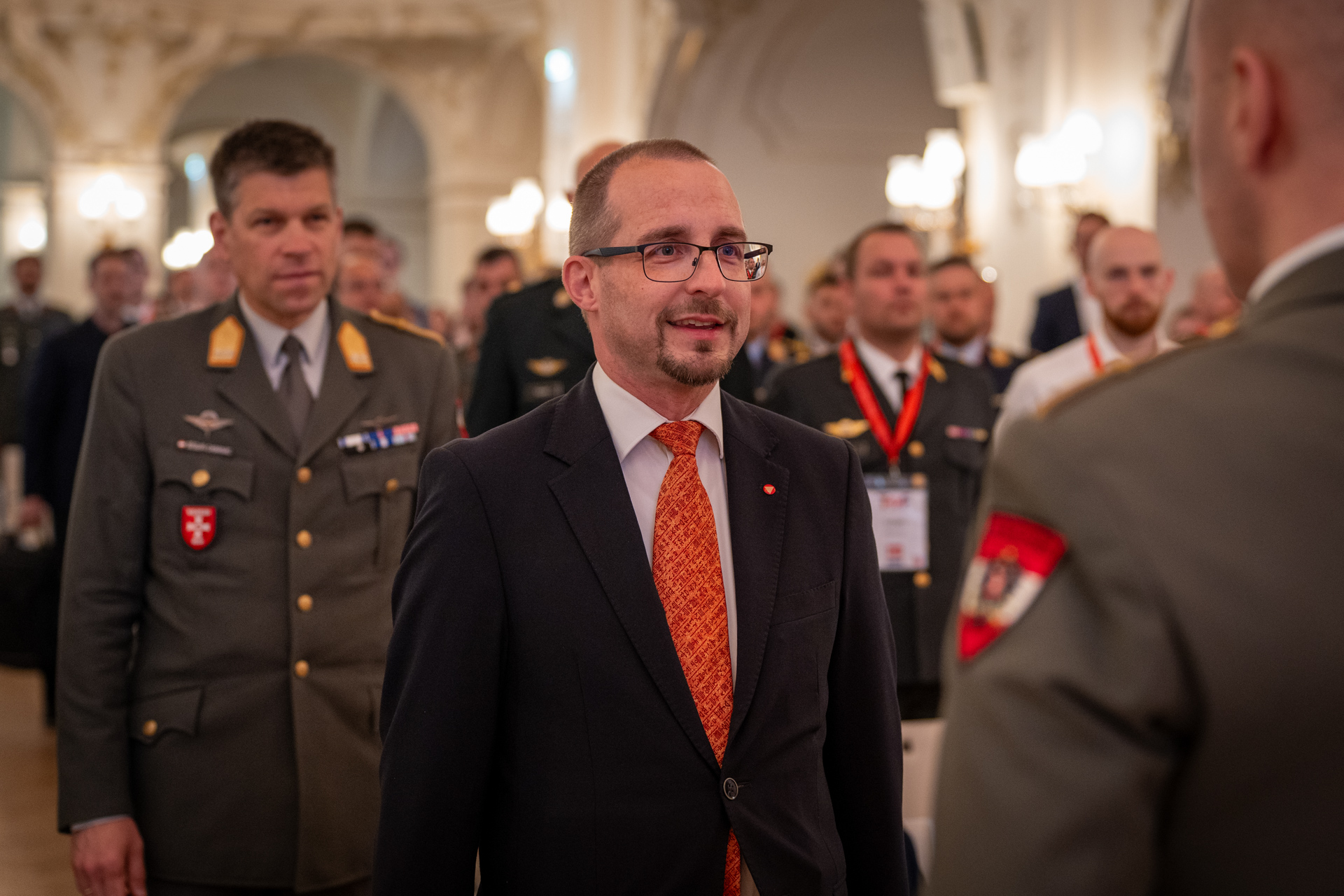
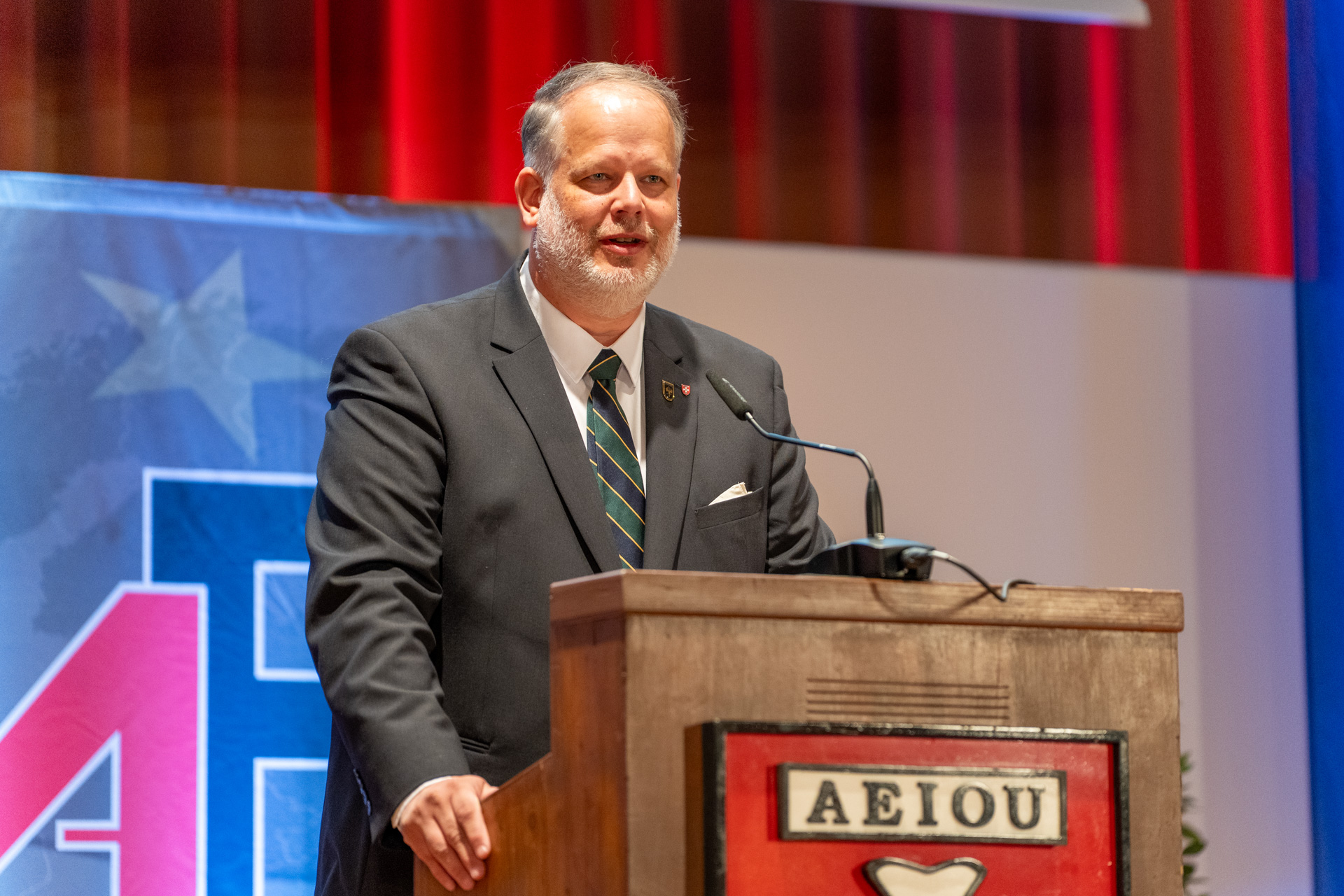
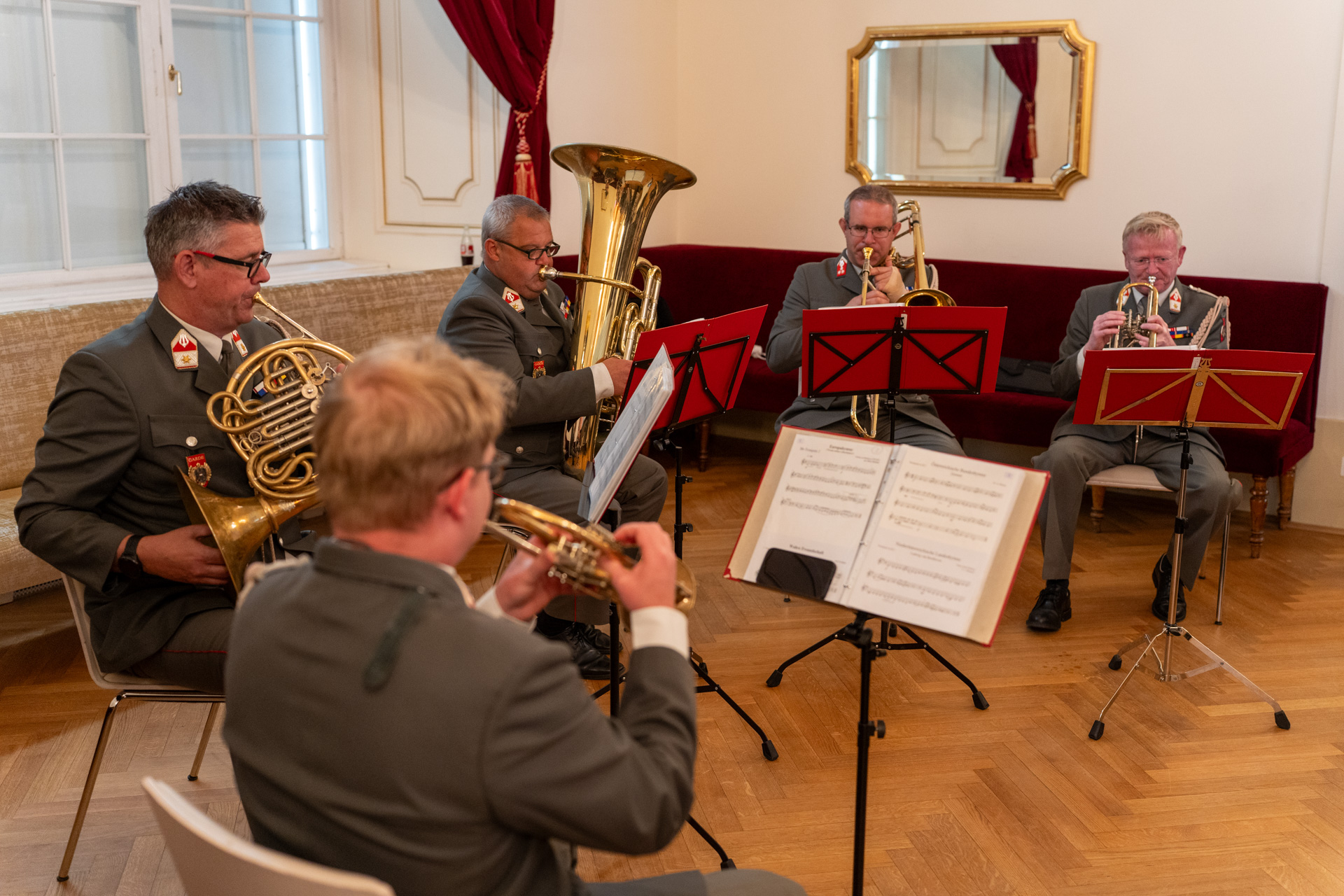
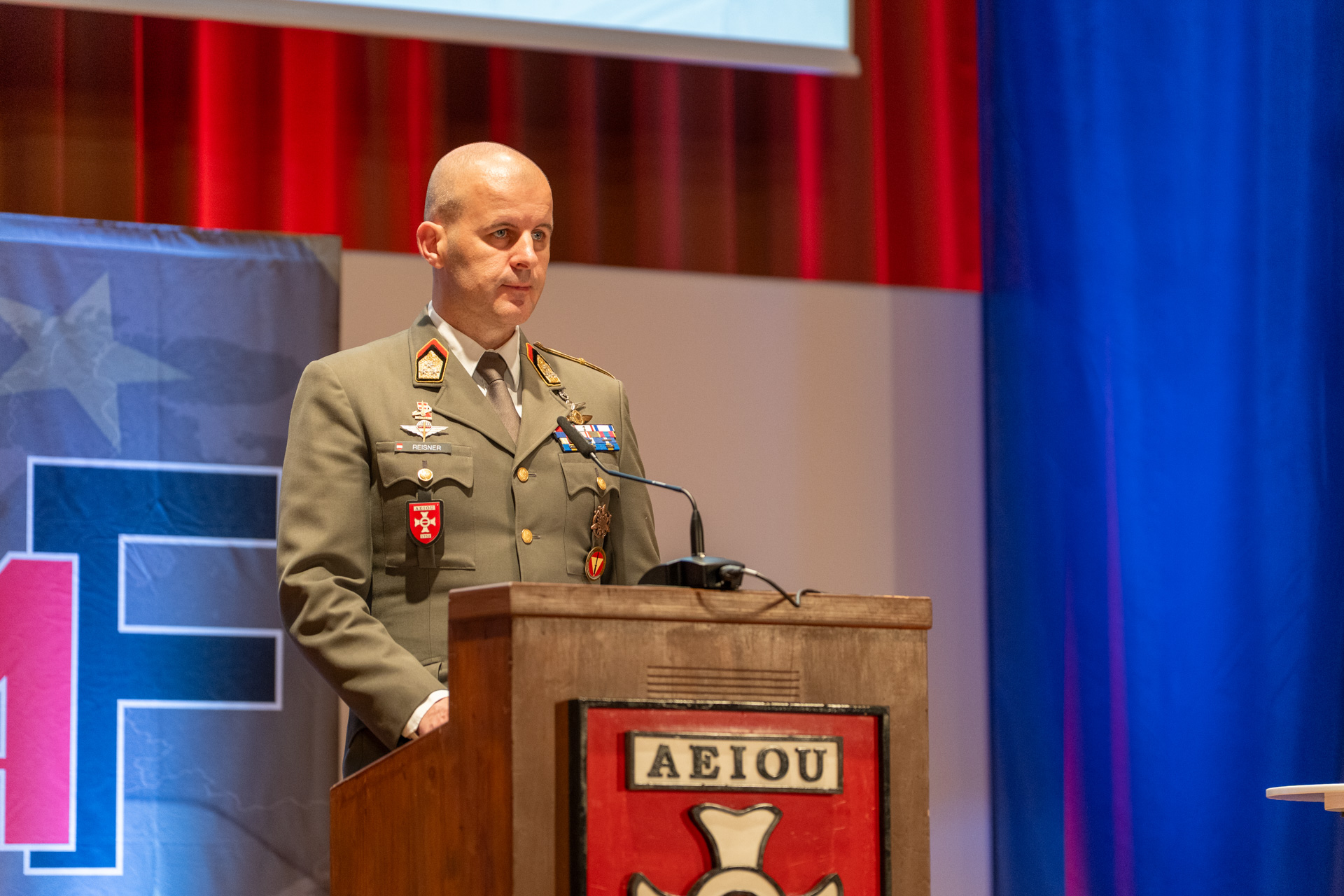
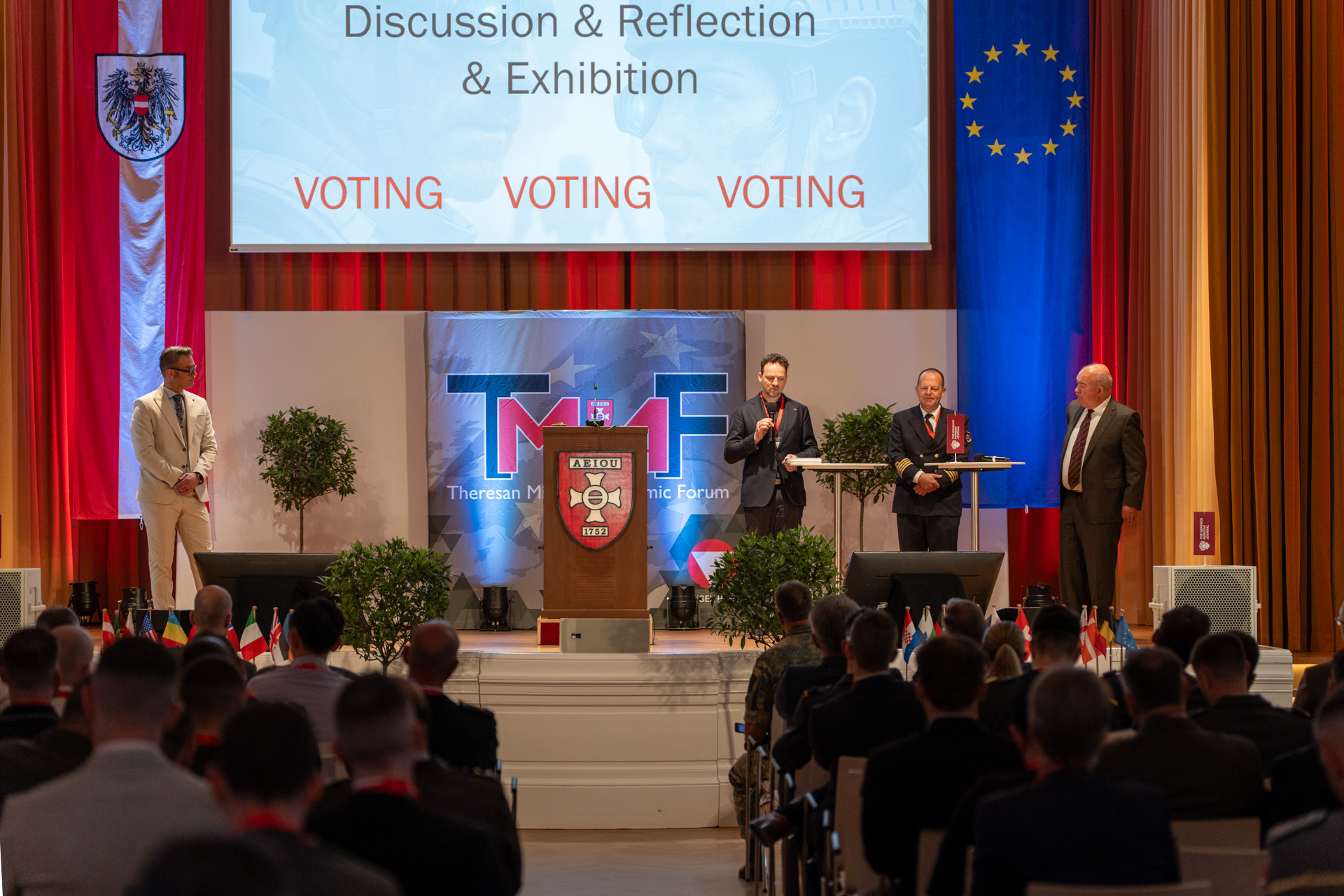
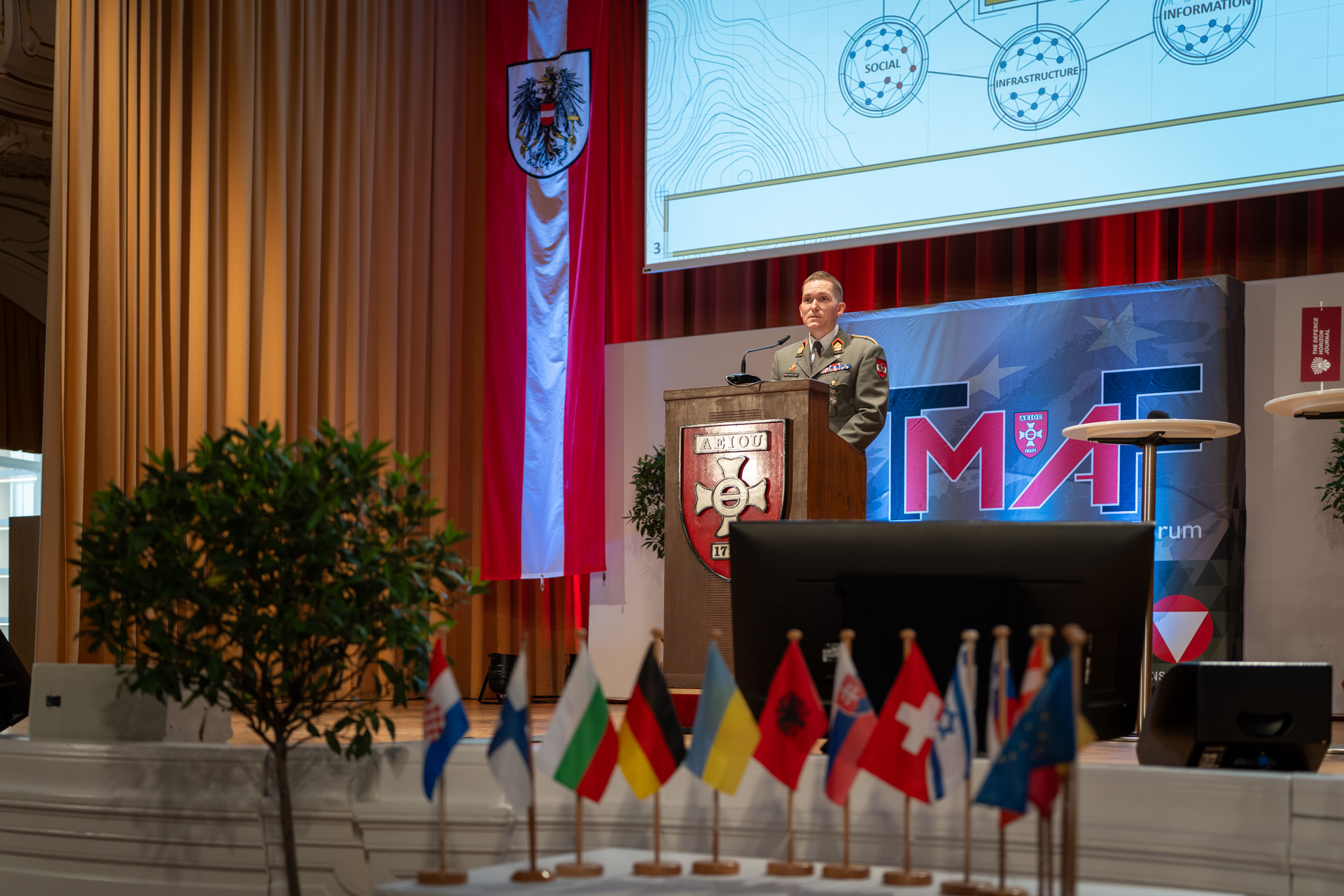
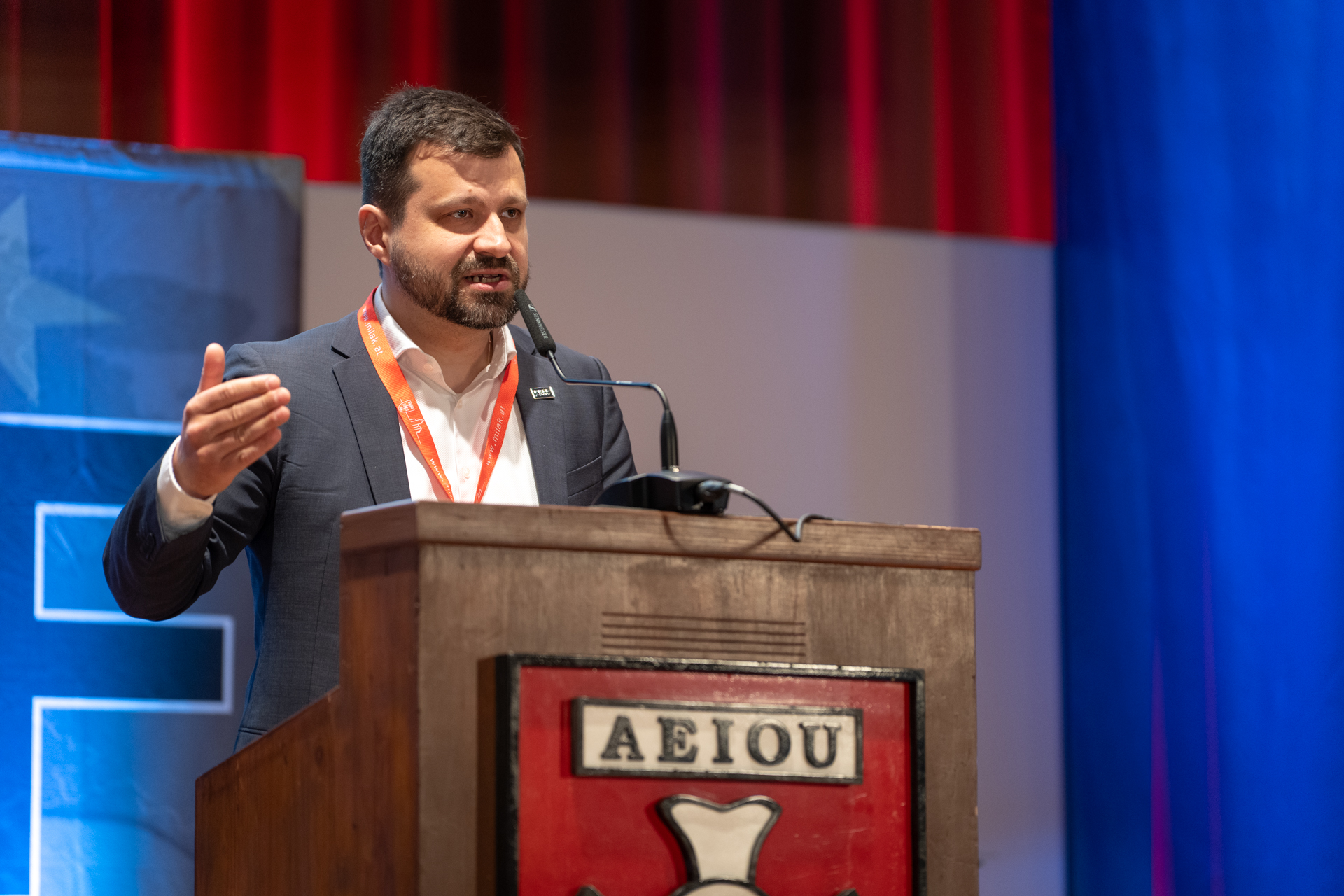
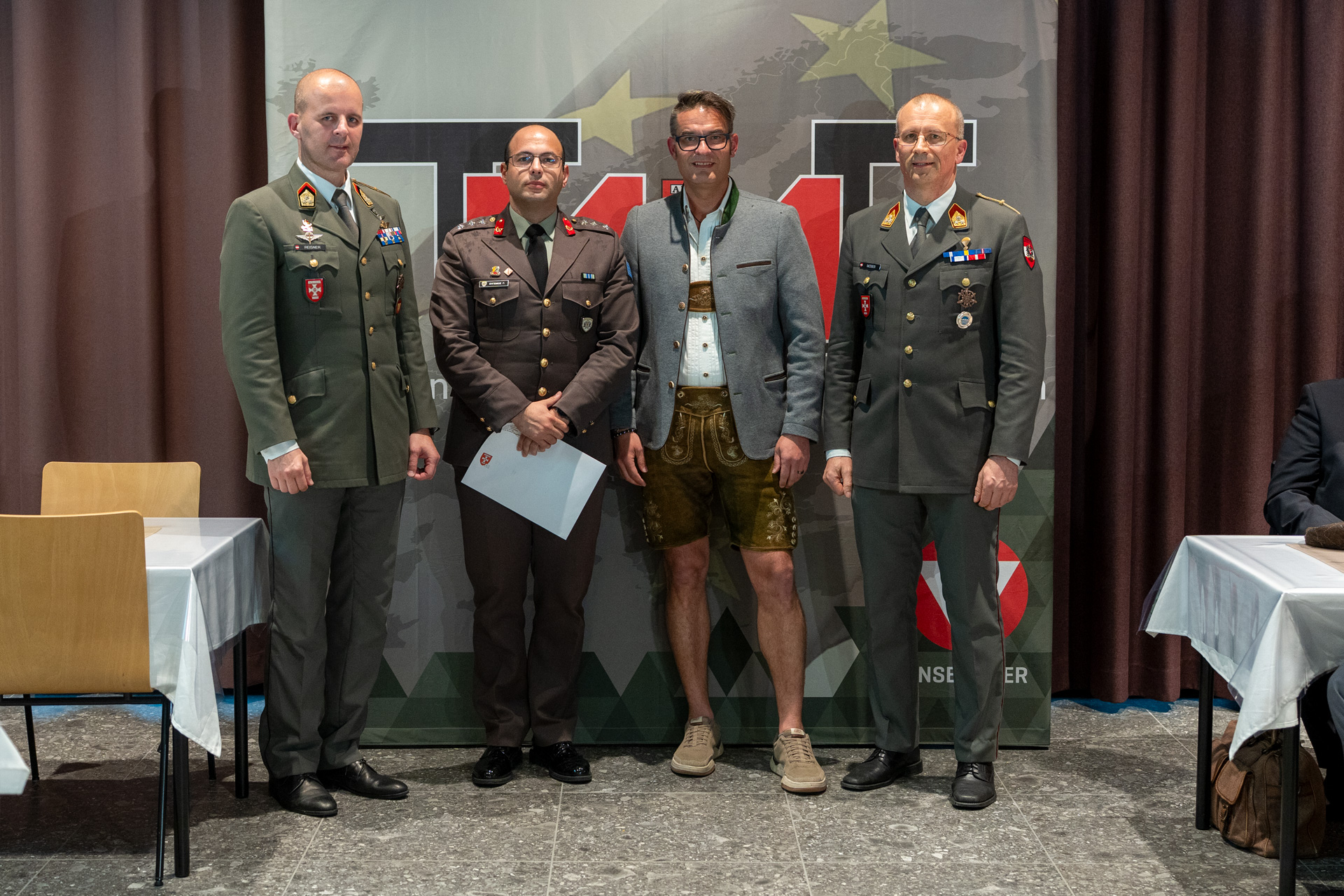
On Tuesday, 5 May 2026, the Head of the Institute for Basic Officer Training at the TMA, Colonel Dr. Markus Reisner, PhD, opened the forum and welcomed the international field of participants. Following this, the Head of the University of Applied Sciences Board, Dr Michael König, and the Academy Commandant, Major General Philipp Segur-Cabanac, addressed the participants. The keynote address by the Secretary General at the Federal Ministry of Defence, Dr Arnold Kammel, was introduced with a video message from the Federal Minister, Klaudia Tanner. Once again this year, the event was moderated by Colonel Matthias Wasinger, MOS PhD. A brass ensemble from the Guard Band provided the musical accompaniment for the opening.
Training Officers for a New Era of Warfare
The forum was opened with a keynote address by the President of Helmut Schmidt University, Prof. Dr. Klaus B. Beckmann. Beckmann believes that future officers require a greater level of academic training. An integrative approach aims to harmonise university-level education with tactical and combat training, thereby enhancing the armed forces' initial operational readiness. The primary objective of the research-based development of European officer training must be to increase immediate operational readiness. This operational readiness is a strategic investment in deterrence, which, on the one hand, prevents long-standing, resource-intensive conflicts and, on the other hand, ensures that such conflicts can be overcome if necessary.
Dr. Martin C. Wolff, Director of the Clausewitz Network for Strategic Studies at the Bundeswehr Command and Staff College, continued with his remarks. Wolff addressed the growing threat to our democracies arising from the convergence of state and digital sovereignty.
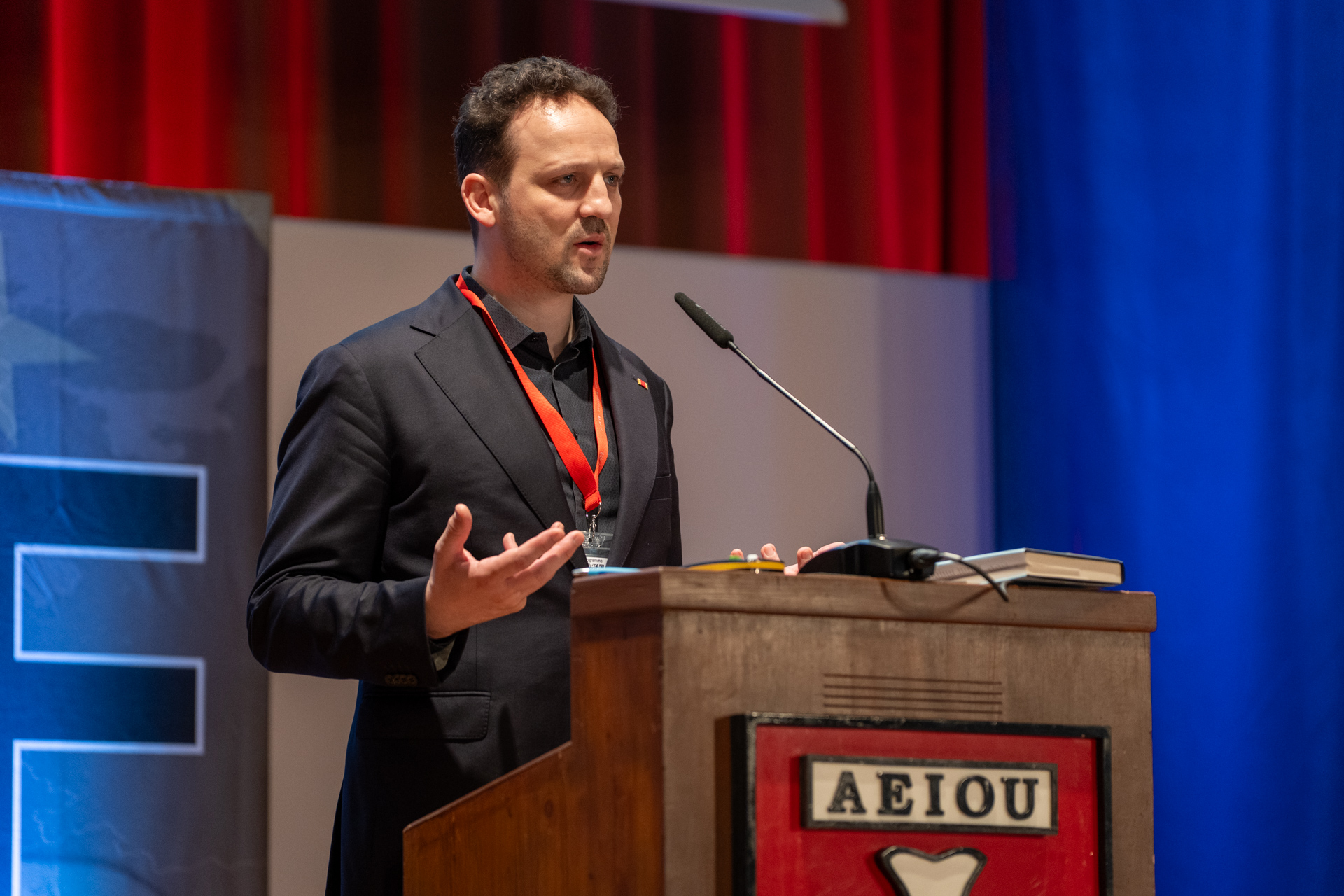
CPT (N) Peter Papler from the New University Kranj in Slovenia continued with a possible interpretation of the theories of the Prussian military strategist Carl von Clausewitz for the contemporary digital battlefield. Papler believes that education should promote critical thinking, thereby enhancing competence in applying artificial intelligence (AI). Training personnel should foster the sustainable development of knowledge by integrating experiments and wargames. Following the three presentations, the speakers answered numerous questions from the audience before the lunch break.
Operational Training in the Digital Age
In the afternoon, COL (GS) Patrick Hofstetter, PhD, and CPT Daniel Constantin Blanc, from the Swiss Military Academy at ETH Zurich, continued the proceedings. The two presented the results of their research into the discrepancy between the level of training at the outset and the actual requirements during an ongoing operation. The minimum duration of mission preparation, the short-term reduction in combat effectiveness during a mission and, conversely, the long-term increase in combat effectiveness due to mission-accompanying training by mission-experienced instructors, as well as the possibilities for short-term human compensation through increased use of technology, were presented.
LTC (GS) Oliver Hochfellner, MA, from the National Defence Academy in Vienna, presented the findings of his analysis of the impact of AI, machine learning and autonomous systems on operational mission planning. Hochfellner believes that these technological influences require an adaptation of our training and the methods used for it. Creativity and judgement are honed through challenges and failures in practical application during exercises. Technological transformation requires the critical and responsible integration of these processes and procedures to maintain the ability to act in a potential future conflict.
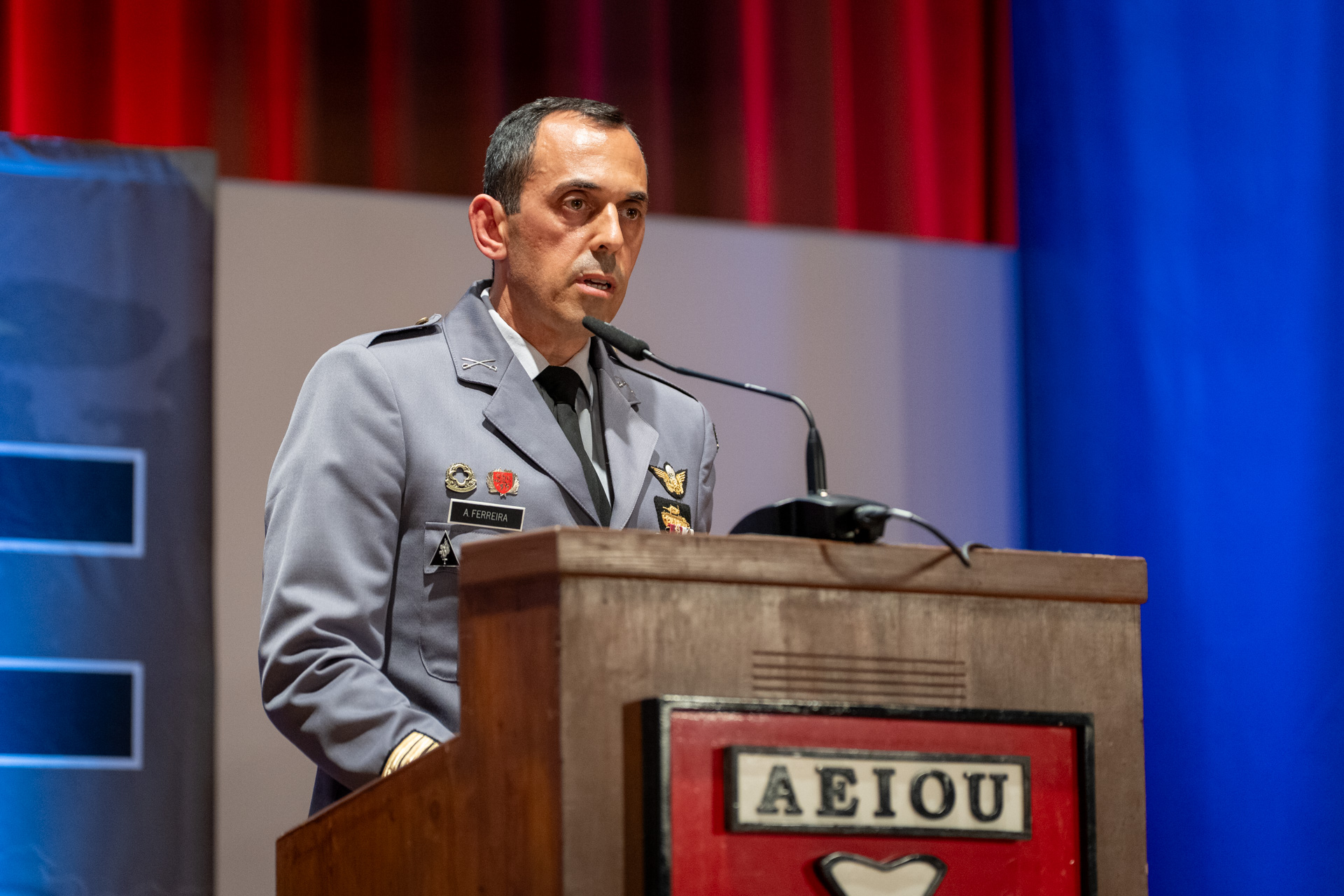
The final presentation in this thematic block was delivered by LTC Pedro Nuno Antunes Ferreira from the Military Academy in Portugal. Ferreira presented the findings of his evidence-based study, which aimed to determine how best to prepare future officers for the technology-intensive and complex conflicts of the future. The key findings are that current technology – including AI, simulation, autonomous systems and electronic warfare – must be incorporated into training. Furthermore, the curriculum should primarily include active and reflective methods, ethical and political education, as well as a culture of continuous learning, and should promote the intellectual development of agile and critical-thinking leaders. The presentations and the subsequent discussion provided ample topics for conversation during the afternoon break with the speakers and the exhibitors.
Education is the Foundation for the High-Tech Officers of Tomorrow
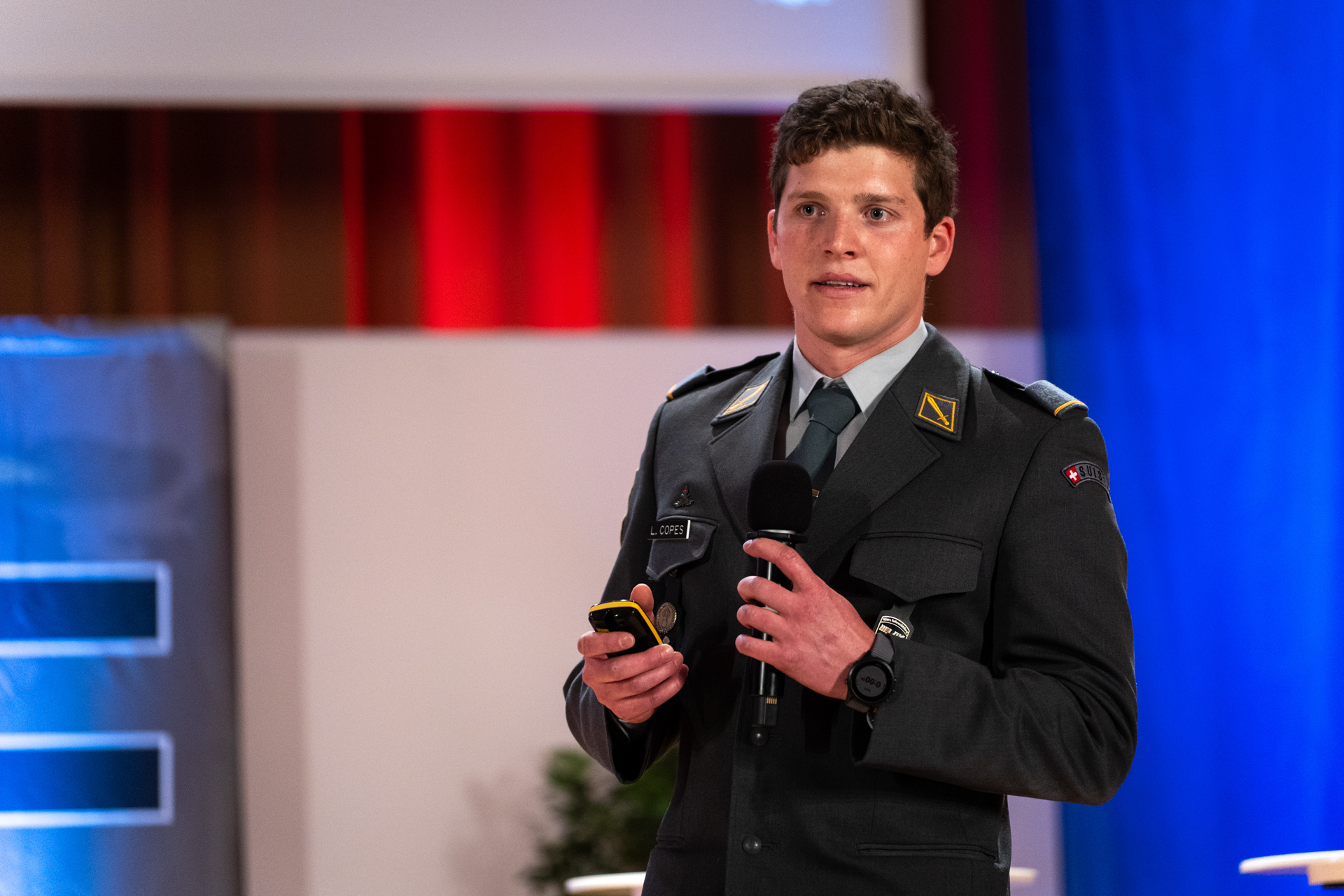
2LT Linus Copes from the Swiss Military Academy at ETH Zurich continued his remarks after the break on maintaining decision-making ability in complex and cognitively demanding situations. By training officers to manage and reduce natural internal and external cognitive loads, their decision-making ability is to be maintained, even under operational conditions.
Following this, Lieutenant Colonel Markus Schmid from Directorate 6 at the Federal Department of Defence, Civil Protection and Sport (BMLV), together with 1LT Hosam El-Mia from the Army Troop School (HTS), presented their conclusions for officer training drawn from the current conflicts in Ukraine and Lebanon. The two speakers are of the view that a combination of technical measures, realistic leadership training and unconventional approaches is required to address the battlefield, which is characterised by a lack of narrow-mindedness and dominated by transparent and autonomous systems.
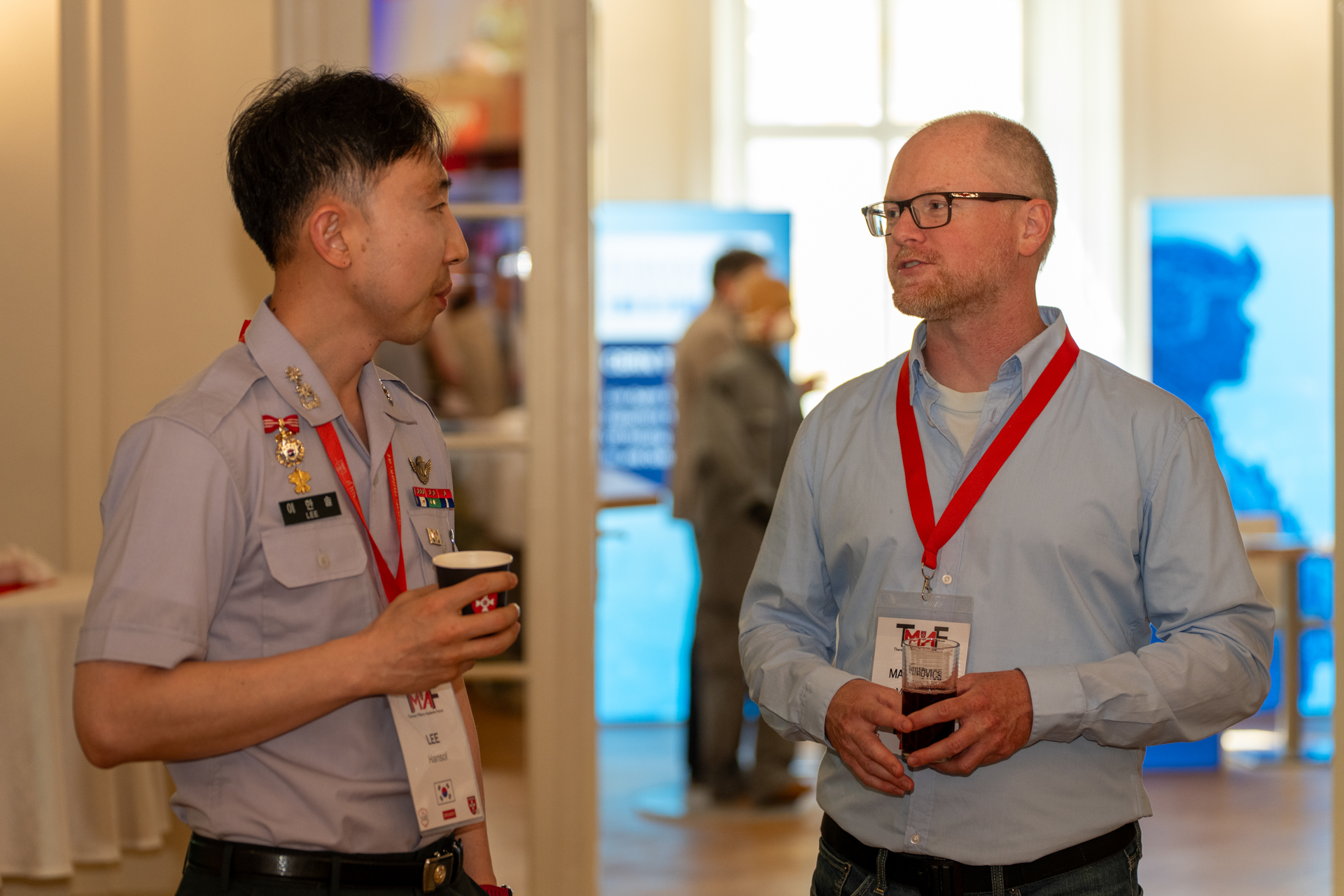
Once again, this year, there was a contribution from the Military Academy in South Korea. Lieutenant COL Hansol Lee, PhD, and student Hyeyun Son presented technical options for improving the communicative interoperability of multinational – and therefore multilingual – armed forces. The aim of English language training should be to ensure the capability to communicate under operational conditions. The language barrier should be kept to a minimum to maintain decision-making capacity and coordination of forces, thereby minimising casualties among soldiers.
The day concluded with a presentation by Dr. Heiko Borchert from Helmut Schmidt University in Hamburg. The Deputy Director of the AI Observatory presented the results of his research into the development of future armed forces dominated by technology and software. Armed forces act as a deterrent to potential adversaries, who are constantly developing these capabilities and coordinating them within a multinational alliance. For this reason, the legal framework must be established and the relevant procurement processes coordinated at a multinational level.
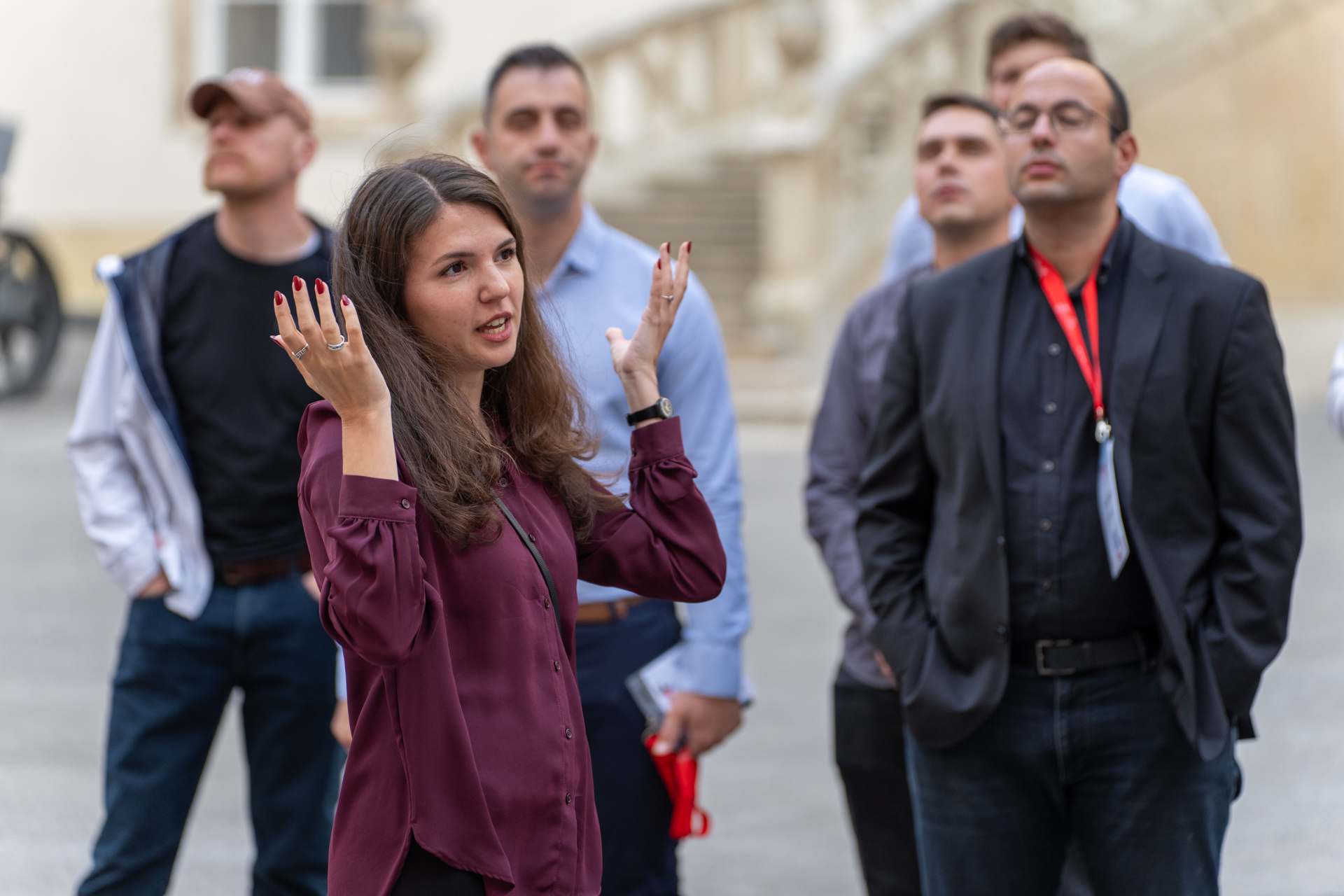
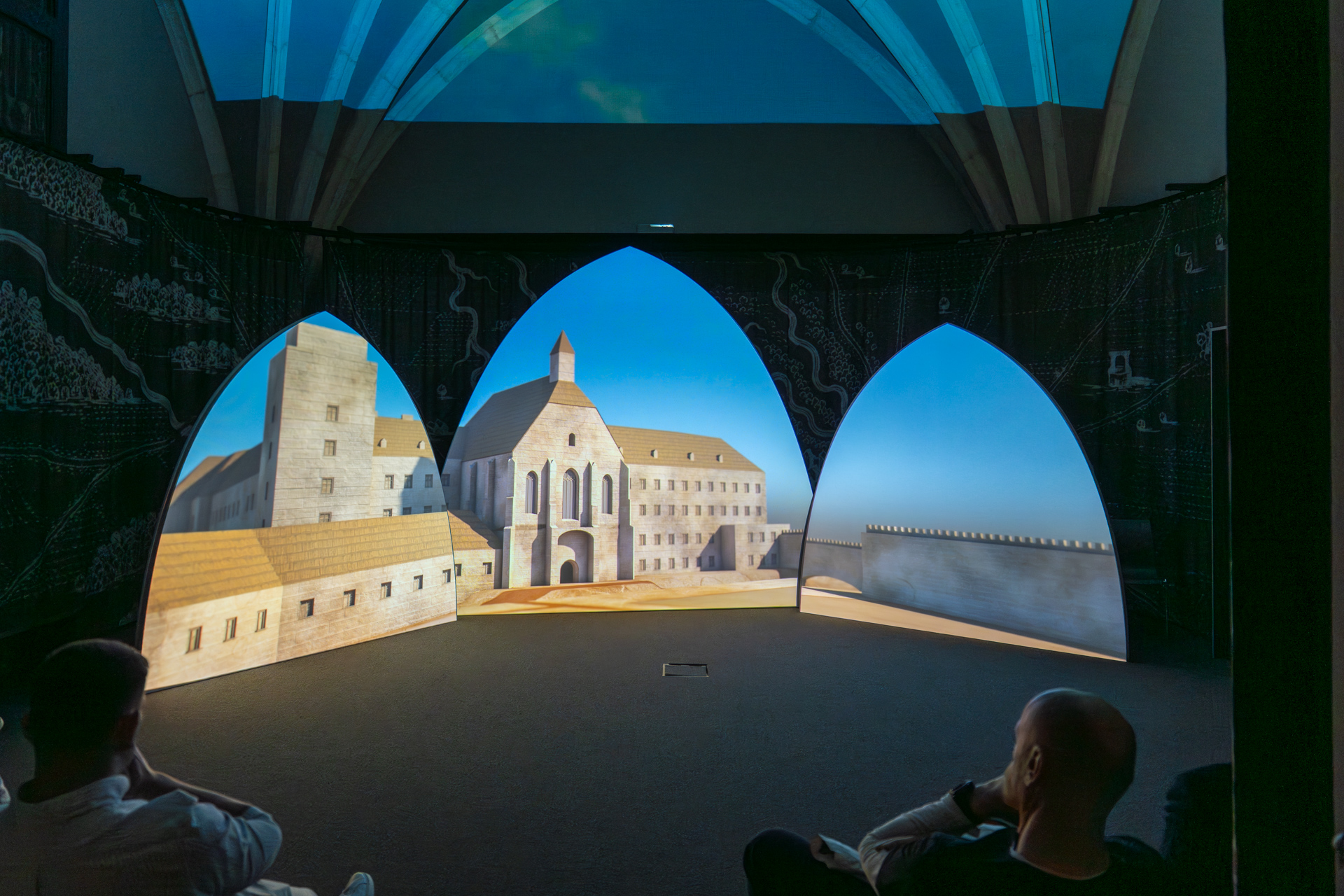
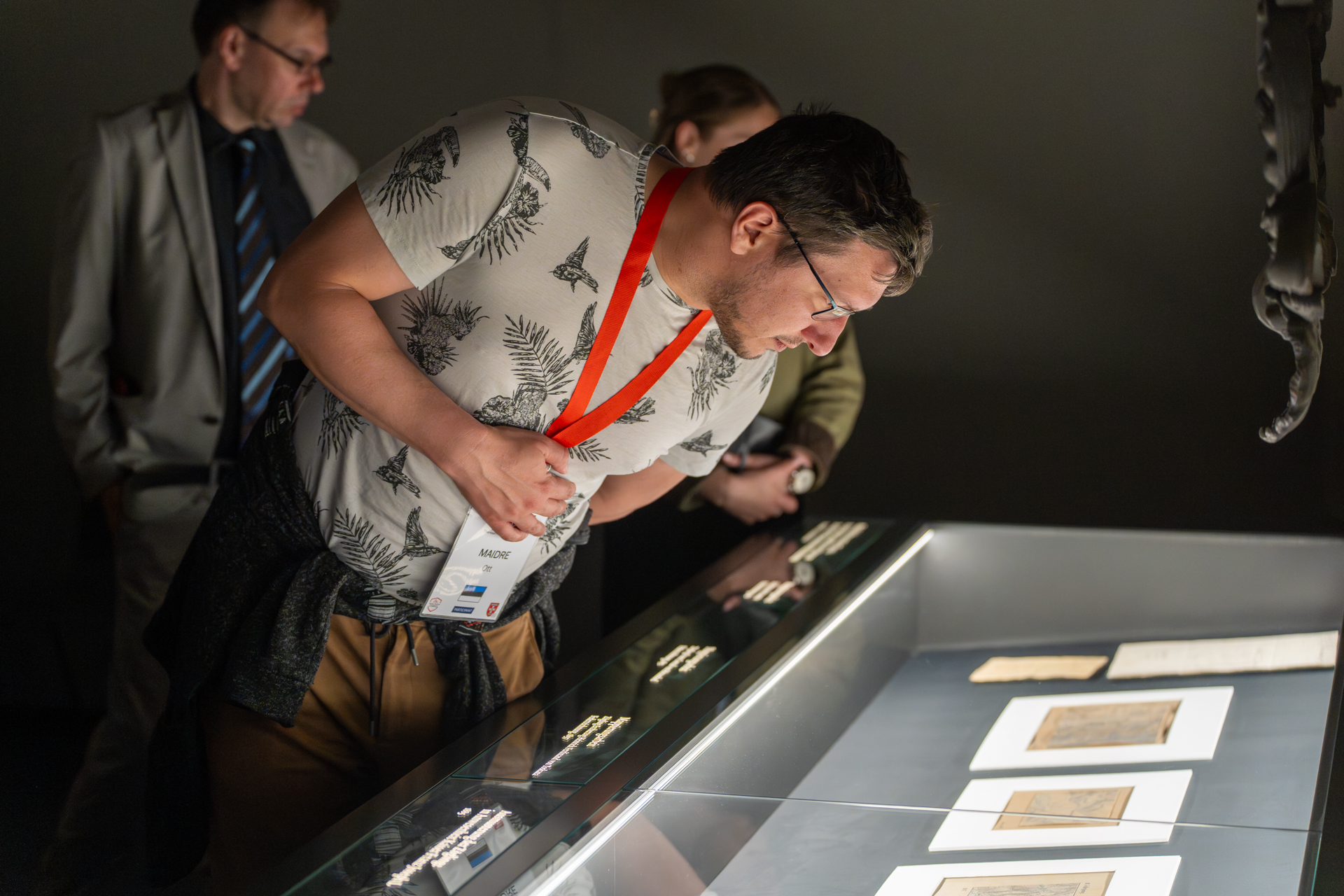
The evening programme then consisted of a guided group tour of the exhibition “From Imperial Residence to Officer Training Centre” led by members of the TMA.

Impact of Drone Warfare on Training
The second day of the event was opened by a team comprising COL (GS) Dr. Markus Reisner, PhD, the student CDT Moritz Böhm from the TMA, and PVT Bastian Wagner, BA, from the Joanneum University of Applied Sciences. Their presentation began by demonstrating the relevance of drone warfare using documented operational examples and the potential implications for the Austrian Armed Forces (ÖBH). The session concluded with conclusions on how commercially available technology could be integrated into practical training. In the context of practical application, combat techniques are then acquired, the drone is continuously further developed, and the foundations for corresponding guidelines and regulations are established. Rapid technological advancement necessitates solutions using currently available resources and therefore does not allow for optimised solutions with lengthy procurement and implementation times.
1LT Nico Hürlimann and 2LT Paula Kern from the Swiss Military Academy at ETH Zurich then outlined how technological developments influence operational command and control, as well as the further development of relevant regulations and doctrines. Changed doctrines require officer training to be adapted accordingly, as illustrated by historical examples from the US Armed Forces. In conclusion, the speakers presented possible implications for officer training. Accordingly, future officers should be able to apply current doctrines in an adaptive and flexible manner. As part of the lifelong learning process, insights gained from mission preparation and potential operations should be fed back into training. The prerequisites for participation in this ongoing process include promoting analytical thinking, applying mission-oriented tactics, and building resilience within the framework of officer training.
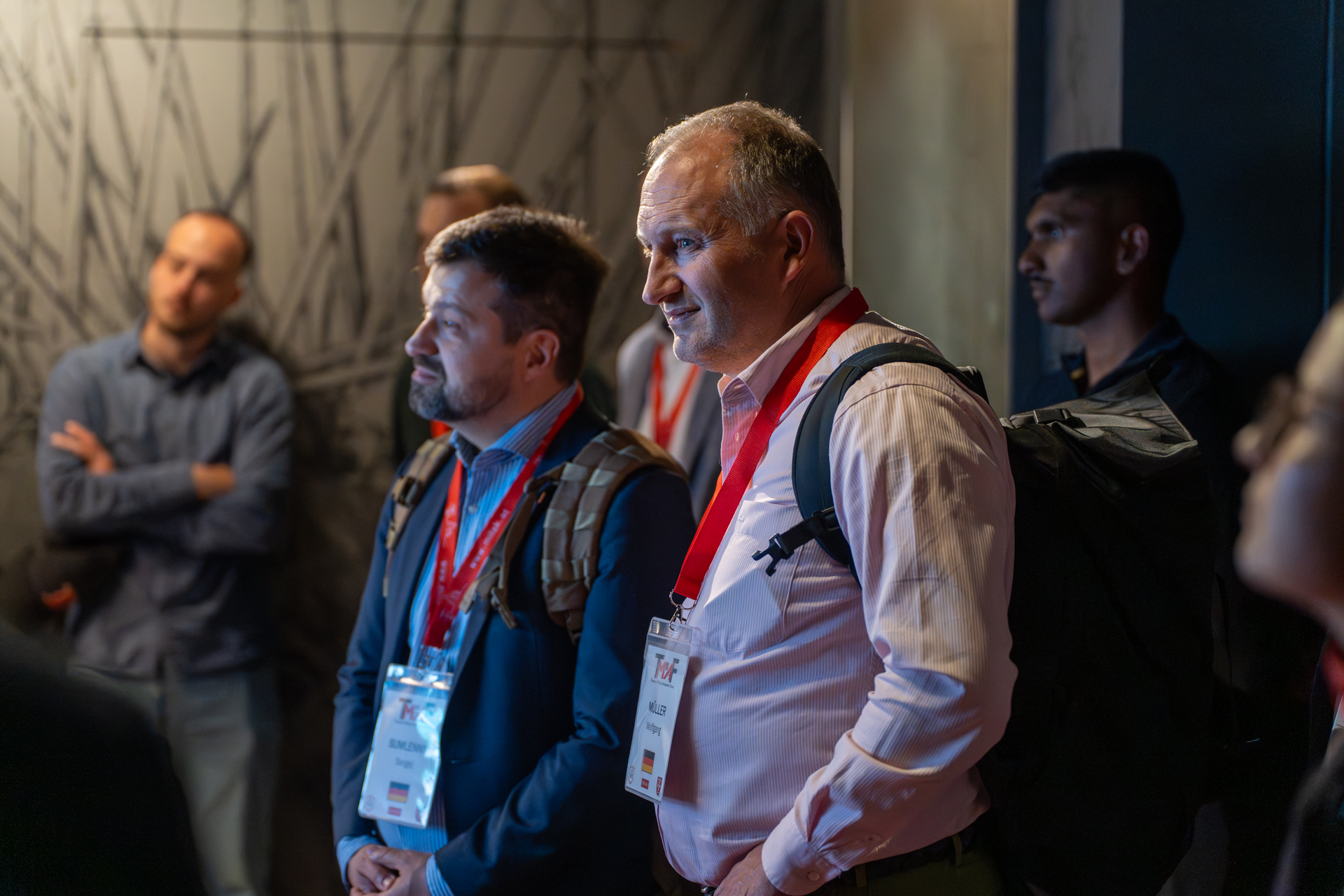
This thematic block concluded with Dr. Wolfgang Müller from the German Institute for Defence and Strategic Studies (GIDS) and Sergej Sumlenny from United Unmanned Systems, who presented their conclusions drawn from the current conflict in Ukraine. In their view, drones have become an integral part of future mission command and must therefore be permanently integrated into the armed forces' military units. Combined arms operations involving drones must be practised for safety reasons. Whilst implemented systems increase the autonomy of forces and firepower, they do not justify reducing the manpower of these units. Following the three presentations, the speakers answered numerous questions from the audience before the break.
AI-Supported Simulations for Officer Training
After the break, COL(GS) Bernhard Schulyok, MA, from the Federal Ministry of Defence (BMLV) continued alongside Katharina-Franziska Zeman from the private sector. The two speakers called for promoting cognitive resilience in officer training to protect decision-makers from targeted manipulation. These measures include, amongst other things, critical thinking, self-reflection and managing fear and emotions. Alongside acquiring a basic technical understanding, preventive measures against targeted cognitive manipulation are necessary and should enable reflective decision-making.
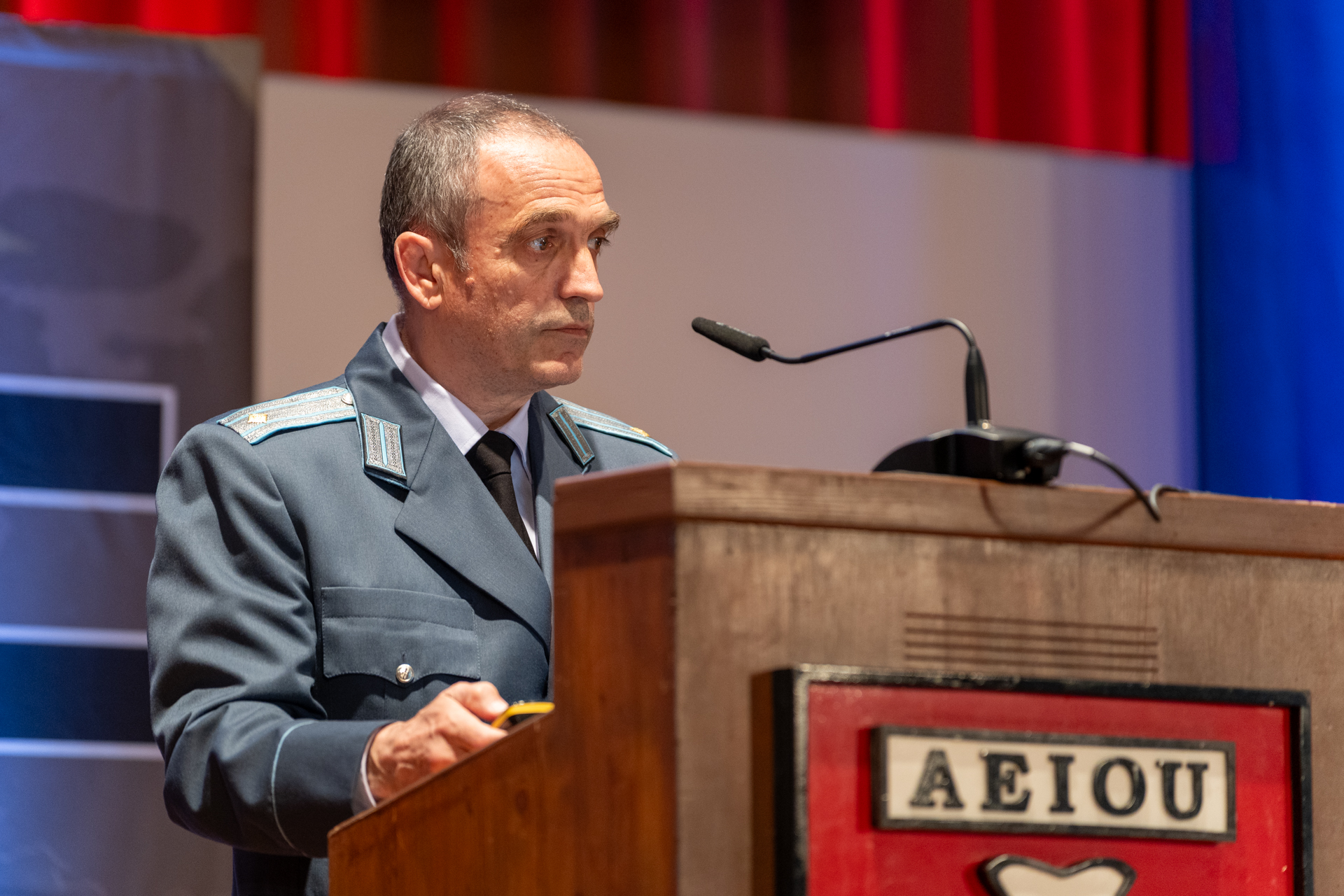
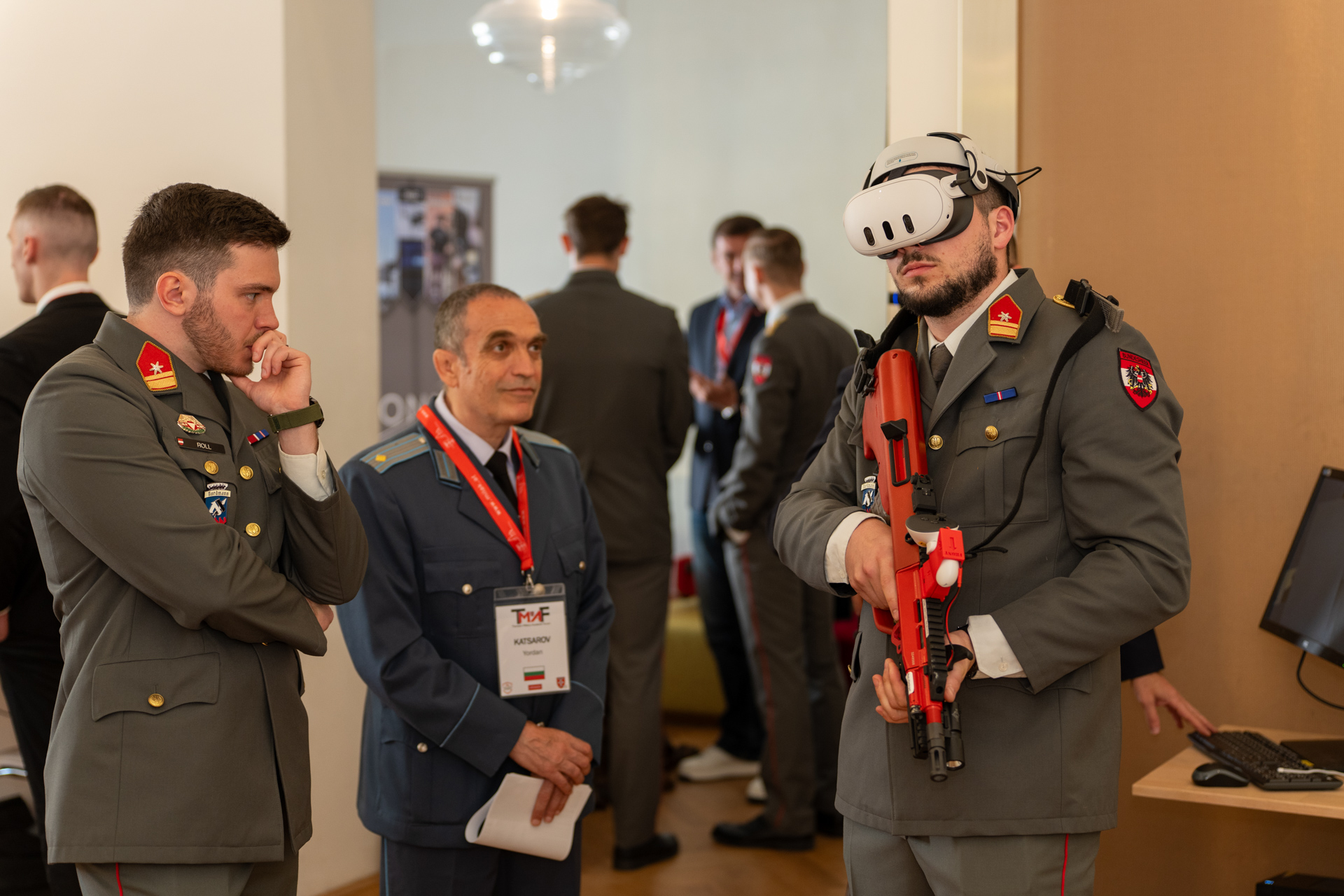
Yordan Ivanov Katsarov from the Bulgarian Air Force Academy presented ways in which AI-generated simulation can bridge the gap between theory and practice. Currently, in training, the tactical solutions for decision-making tasks are predetermined and therefore limited. Furthermore, the focus is mainly on the correct, static and theory-heavy application of the process, but necessary situation-specific adaptations are not practised. AI could introduce dynamically designed countermeasures based on the student’s behaviour, which would introduce real-world uncertainties and raise ethical and moral challenges in decision-making. In practice, this would allow for the adaptive application of the processes under realistic conditions, as well as the assessment of the quality of the decision from a legal and ethical perspective.
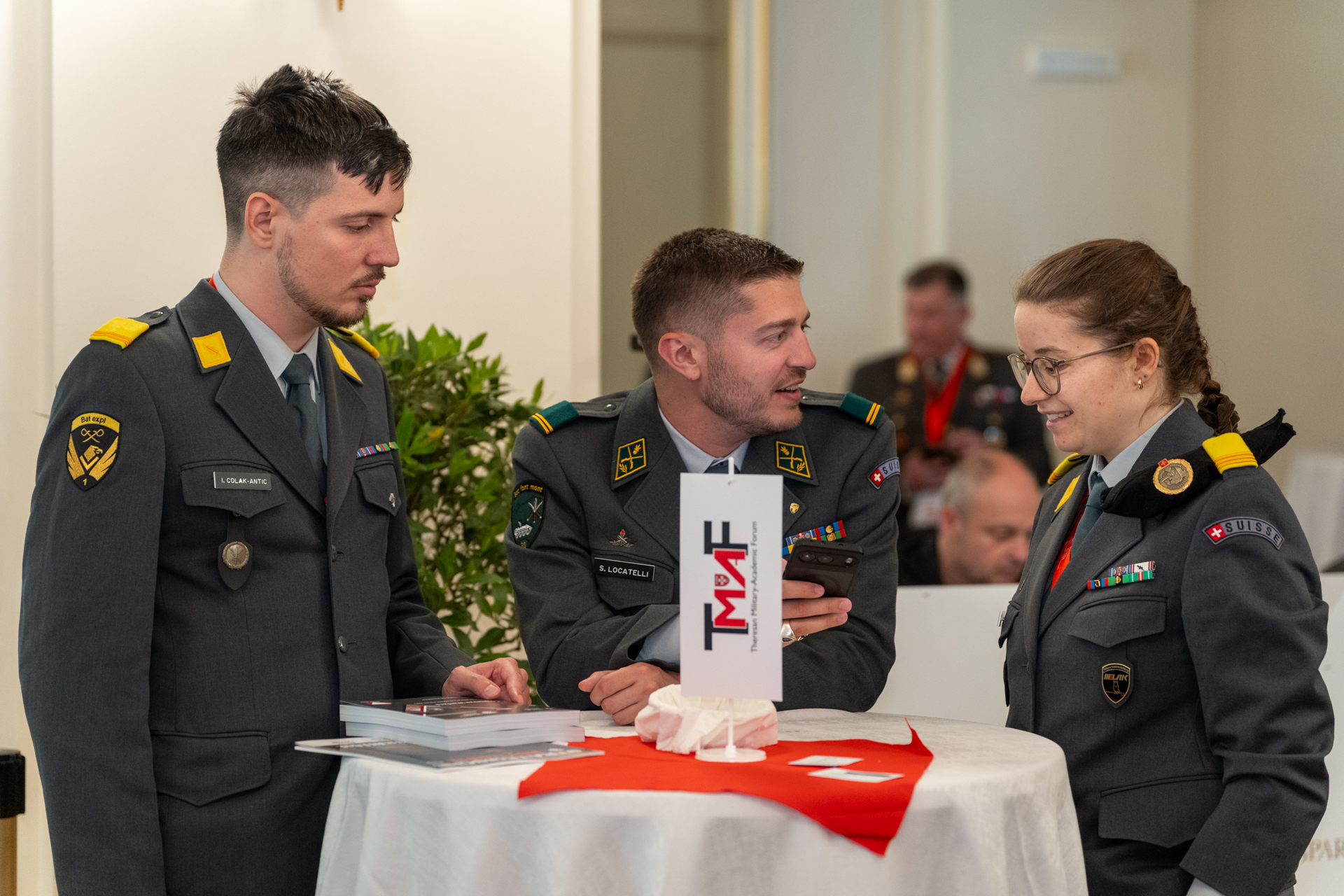
This block of presentations concluded with a contribution from 2LT Ivan Colak-Antic, 2LT Simone Locatelli and CPT Lauriane Fivaz Kern from the Swiss Military Academy at ETH Zurich. In their presentation, they outlined the requirements for potential AI-driven platforms to support realistic, adaptive tactical decision-making across multiple cycles at the platoon and company command levels, including feedback. Such systems would enable autonomous training and could usefully complement traditional time- and personnel-intensive war games. Following the three presentations, the speakers answered numerous questions from the audience before the refreshing lunch break.
Integration of Generative Artificial Intelligence into Military Training
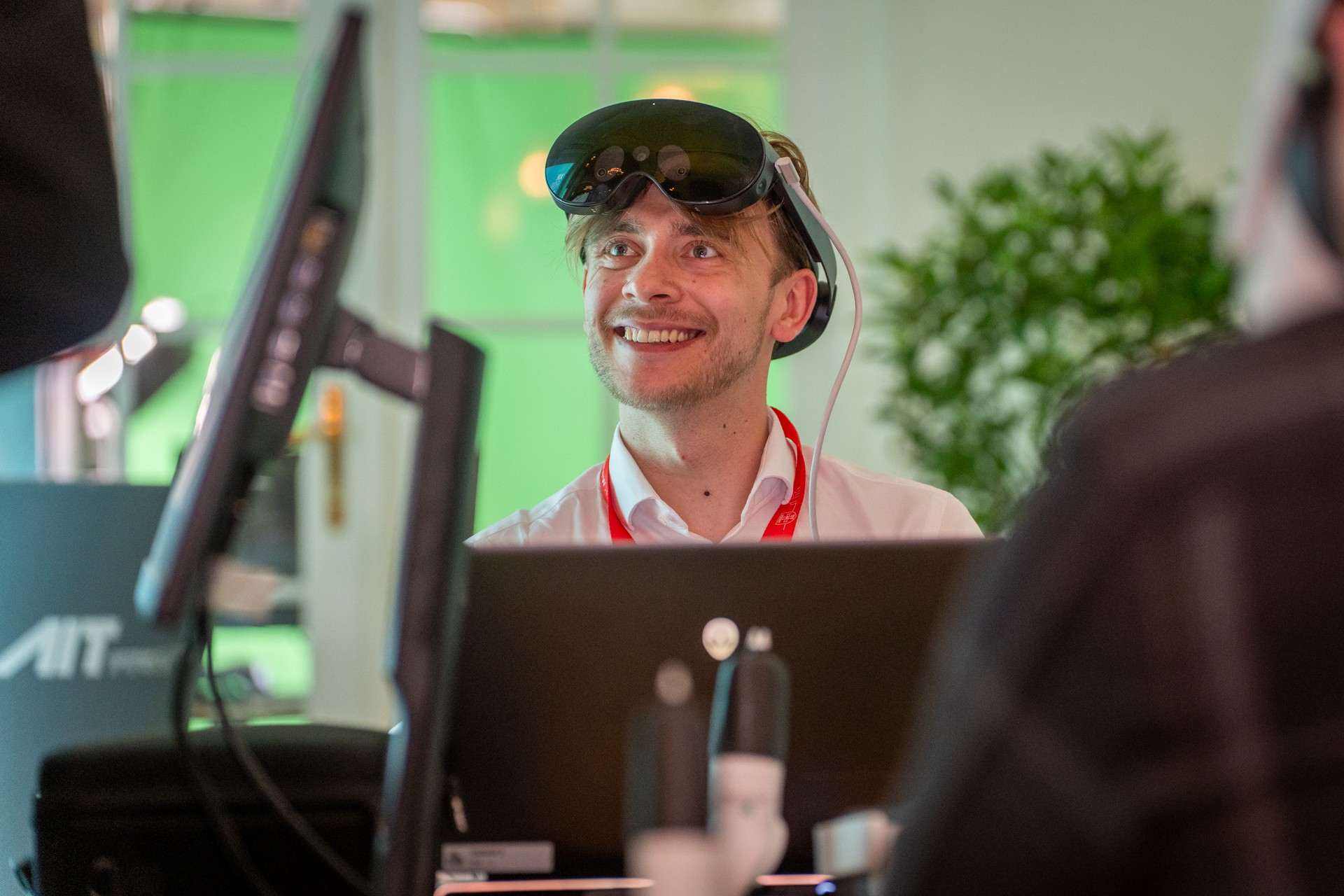
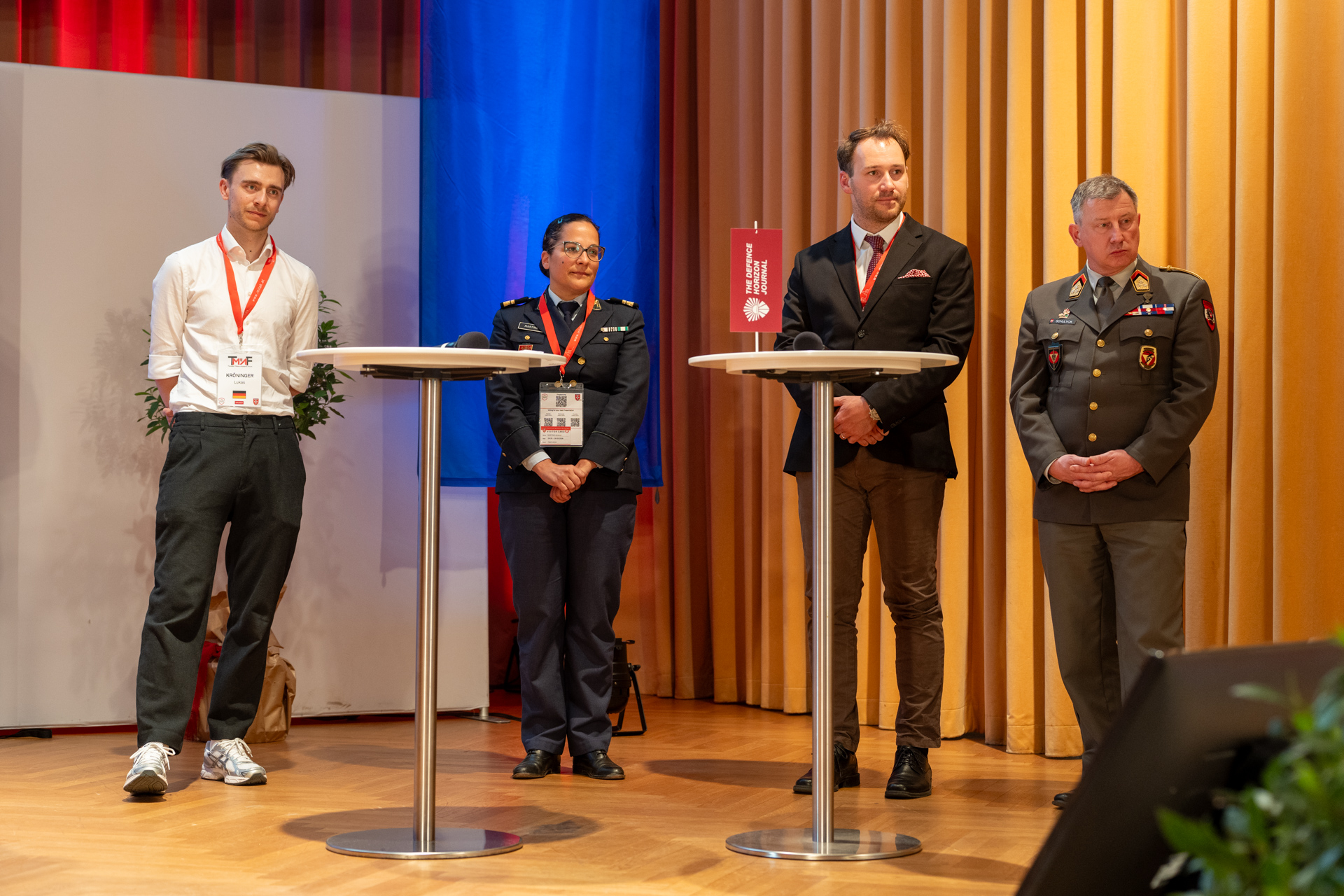
Lukas Kröninger from AiT kicked off the afternoon by outlining the possibilities of Extended Reality (XR) for structured, step-by-step training of soldiers and first responders in high-risk, cognitively demanding environments. Accordingly, basic psychomotor and procedural skills should first be automated in specific stages. Only after these stages should the focus shift to highly stressful, real-world operational contexts. Structured use of XR would prevent cognitive overload and optimise the transfer to the real world.
Assoc. Prof. Dr Clemens Kerschbaum from the New Design University in St. Pölten then continued, together with COL (GS) Bernhard Schulyok, MA from the BMLV, on the topic of current conflicts. Modern conflicts increasingly take place in the cyber and information domains, and the effects of these operations are primarily felt in the cognitive rather than the physical realm, with societies, military personnel, and state institutions targeted. Defending against such ‘invisible’ hostile actions is complex and requires a comprehensive approach drawing on expertise from various disciplines to develop solutions and means of countering cognitive warfare threats. The speakers believe that this innovative approach also has a positive side effect. This would raise general public awareness of this threat and promote cognitive resilience, at least among those involved in the process.
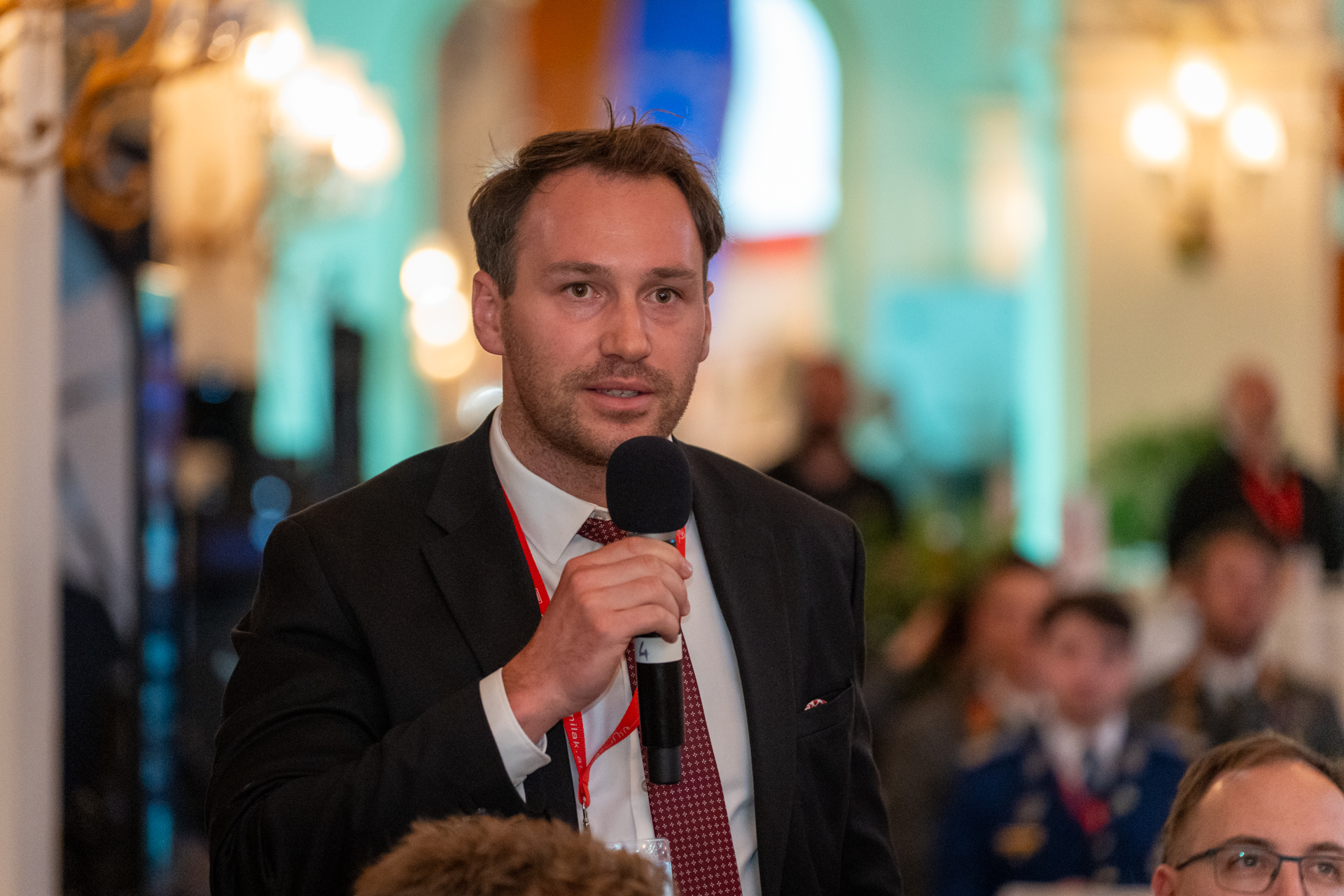
Following this, MAJ Adriana Filipa Gameiro presented her study on the integration of generative AI, in particular ChatGPT, into the training of first-year students at the Military Academy in Portugal. The speaker calls for thorough training of cadets in the use of generative AI. AI should support the learning process, particularly in active learning methods and brainstorming techniques. However, for this integration to be beneficial, generative artificial intelligence must not replace the knowledge transfer process or impair the cadets’ ability to develop ideas – and to think independently. Following these presentations, the speakers also took questions from the audience.
Training Officers for Forward-Looking Action
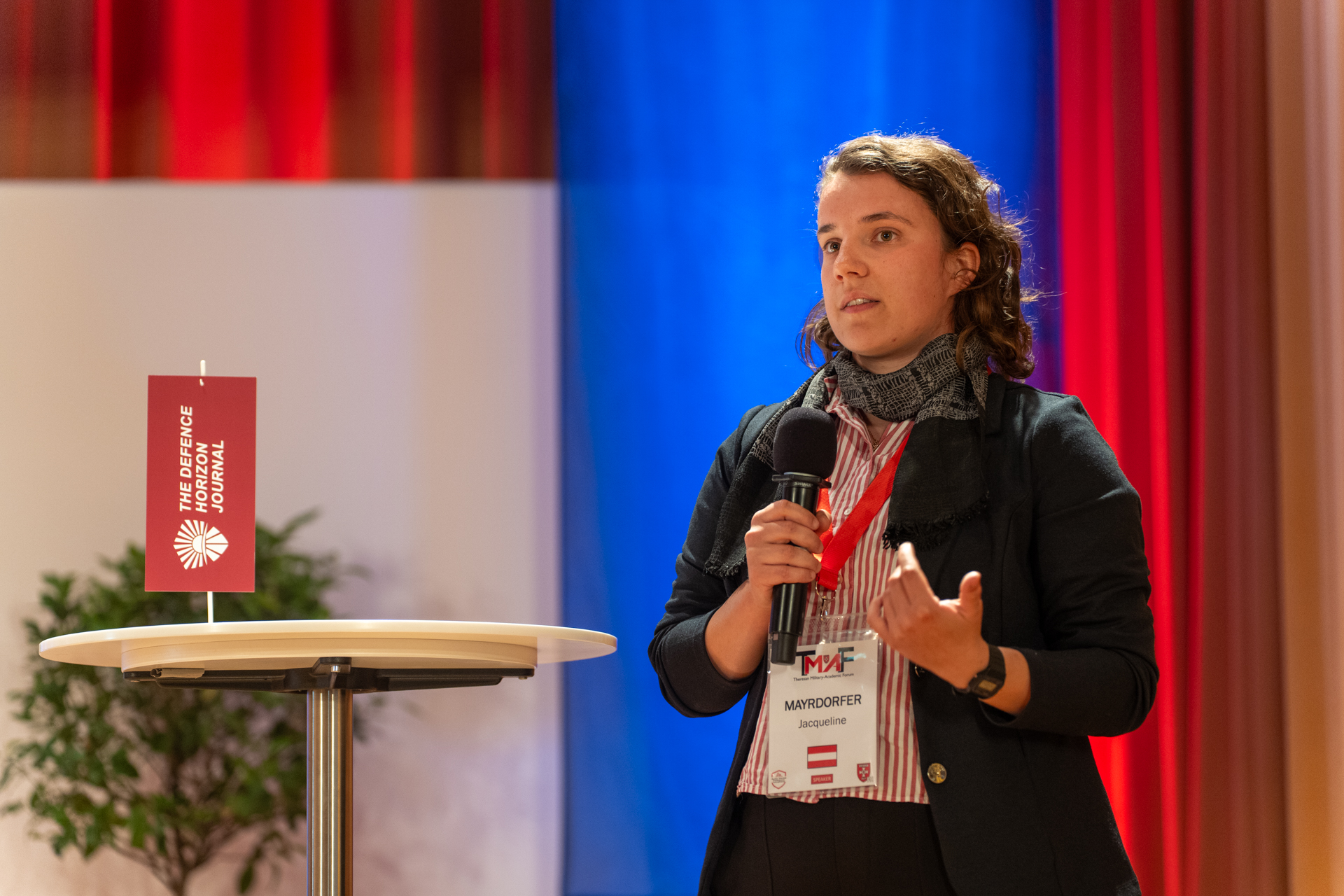
The final session of the day was introduced by Jacqueline Mayrdorfer from Munich Innovation Labs, together with Mark Pfeiffer from Shield-AI. The two speakers called for a shift from retrospective learning to forward-looking modelling of the future, as innovation cycles on the battlefield necessitate a faster adaptation of current doctrines, training and procurement systems. Their three-pillar model could address these challenges. The first pillar involves integrating various sensors and conducting regular, data-driven updates based on battlefield observations. The second pillar is the preservation and potential application of ‘tried-and-tested’ manual and analogue skills, ensuring that operational capability is maintained should technology fail. The third pillar involves feeding observations from modelling and simulation environments into digital twins of real operational areas, so that derived tactics can be validated within the shortest possible time.
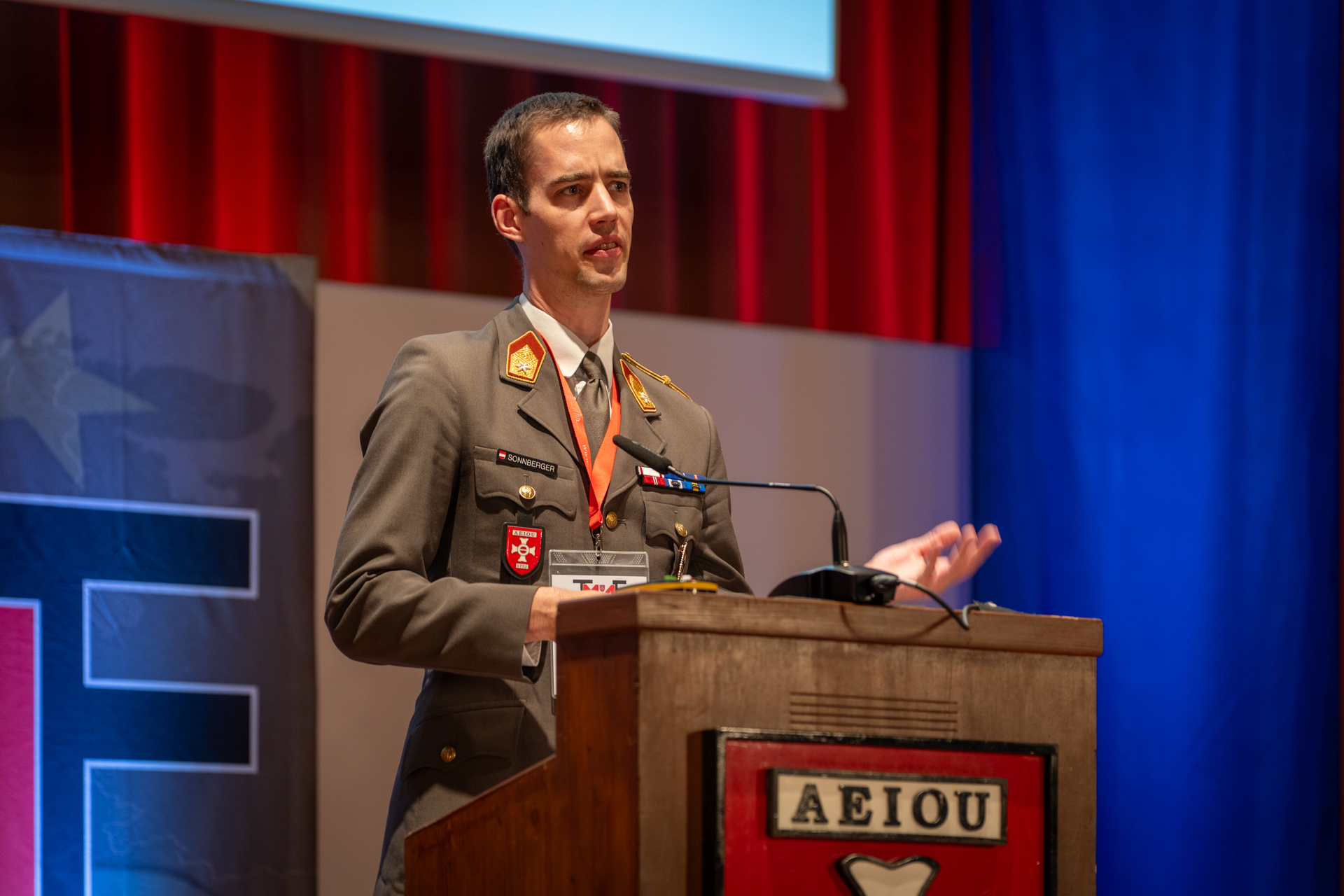
The day, which was packed with content, concluded with a presentation by MAJ Matthias Sonnberger from the TMA. Sonnberger demonstrated the possibilities of integrating Mixed Reality (MR) into the training of military leaders. MR enables material limitations to be overcome, for example, when heavy weapon systems are available only in limited quantities or cannot be used for demonstration purposes in the chosen civilian training area for various reasons. Furthermore, proven didactic principles can be usefully supplemented by technical capabilities, enabling objective assessment and feedback for the trainee. However, MR is not limited to these training support options. Work is currently underway on potential customisation to prepare for, supplement and deepen classroom-based training, as well as on training options for stressful, multi-cycle military decision-making tasks.
Ethical Education and Digital Judgement
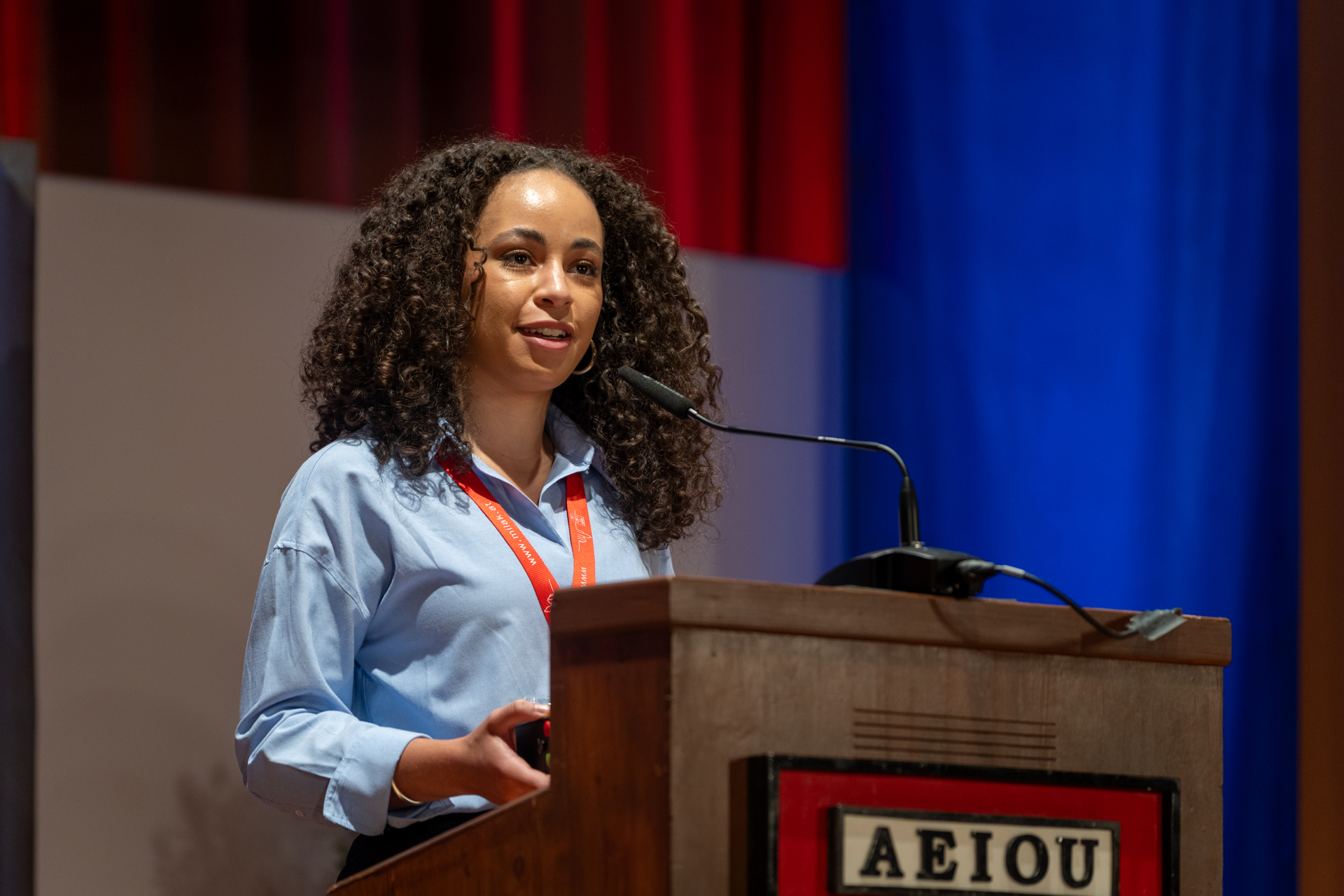
Johanna Gruber, MA, MSc, and MAJ(GS) Jakob Bergmann from the Federal Ministry of Defence (BMLV) opened the third and final day of the event. Both believe that ethical education is essential and that digital judgement must be taught. Awareness of data distortions caused by humans and AI is a core competence of military leadership. The aim is to ensure that, whilst the advantages of AI systems are utilised, the decision-maker is not guided exclusively by them, as moral, legal and political responsibility remains with humans.
CDT Bruno Repić, a student at the Croatian Military Academy ‘Dr. Franjo Tuđman’ gave a presentation on a “new” type of threat. The ubiquity of inexpensive, highly manoeuvrable, and lethal unmanned aerial systems (UAS) in current conflict zones necessitates the integration of AI-supported countermeasures and the teaching of technological understanding in the curricula for future officer cadets. AI should make the results of available frequency and acoustic sensors comprehensible to humans; however, it cannot and must not replace humans in the necessary assessment and decision-making regarding the deployment of physical countermeasures.
The final presentation in this session was delivered by CPT Karlotta Garinet, an MCMI student at Helmut Schmidt University and a McCloy Fellow at Harvard Kennedy School, together with Sandrina Murphy from the Defence Studies Department at King’s College London. The two speakers highlighted the limitations of traditional military leadership training, as predetermined adversaries in training lead to predictable behaviour among graduates. The risks of integrating AI into training include, among other things, the potential for automated decision-making and the stunting of critical thinking and creativity. However, the advantages of AI outweigh the limitations when it is deliberately used to challenge trainees with dynamic, multi-cycle situational developments, an adversary that acts variably in real time, and one that employs disinformation. Following this thought-provoking input, the speakers took questions from the audience.
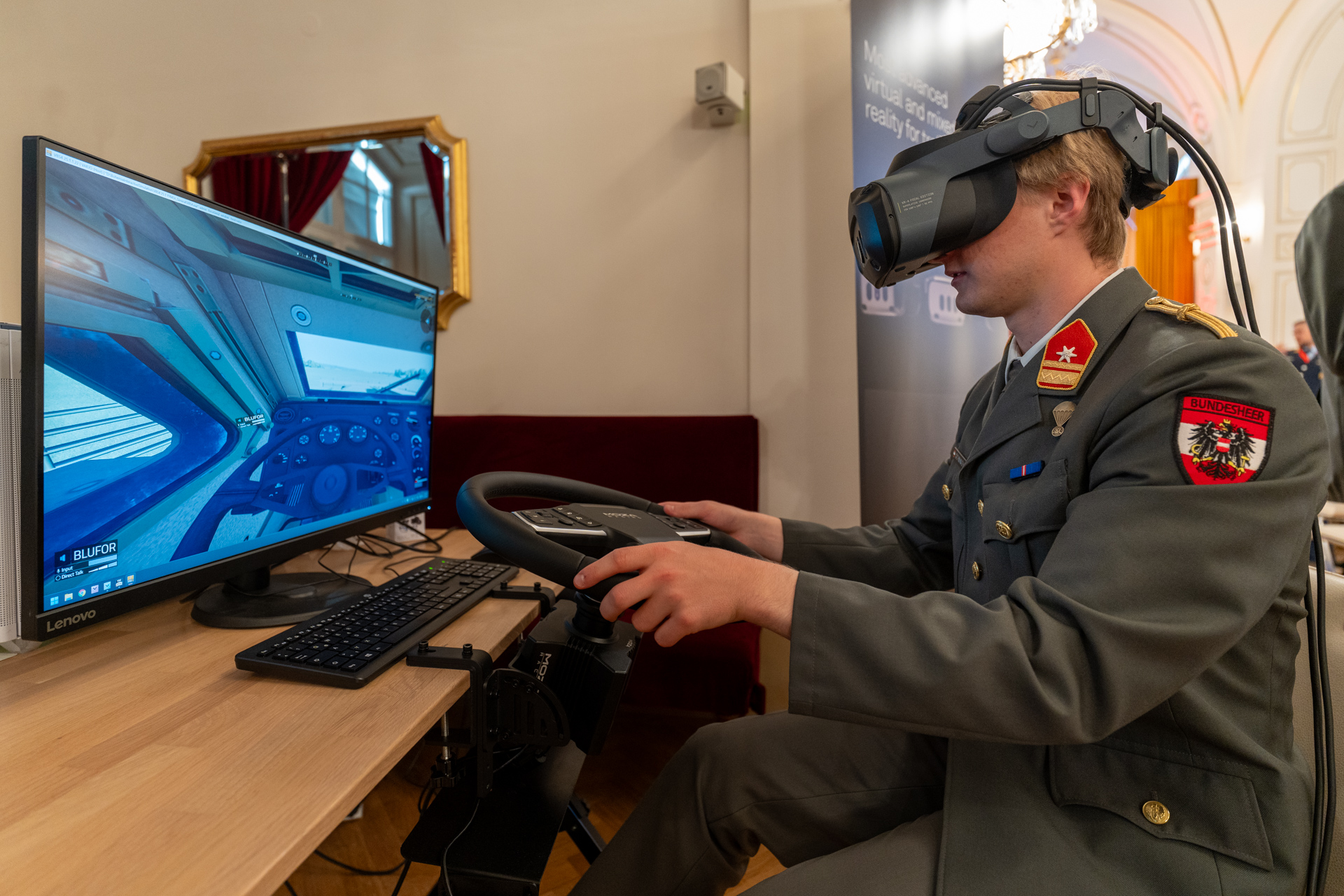
A playful approach to training
After the break, Jakob Carl Uhl from AiT continued with his presentation on his physiologically controlled VR training. As part of his ongoing study, Uhl is attempting not simply to expose soldiers to arbitrary stressors, but to prepare them sequentially in training using stressors whose effects have been studied, in order to simulate highly stressful urban combat scenarios.
Following this, MAJ Johannes Ginthör of the General Staff Service, together with Reserve Officer Second Lieutenant Andreas Mijatovic and students from the TMA, presented the results of the playful acquisition of tactical thinking using commercial computer games. The results suggest that commercial computer games can provide targeted support for training decision-making skills and teaching the so-called combined arms combat. However, this learning effect only occurs if these games are regarded as serious learning environments rather than as entertainment.
1LT Lieutenant Michaela Rázusová, a PhD student from the Armed Forces Academy of Gen. M. R. Štefánik in Slovakia, concluded the thematic block with her remarks on the systematic and responsible use of AI in English language teaching for the officers of tomorrow. AI can and will be used to help students achieve their training objectives as an effective conversation partner and role-play simulator, as well as a feedback tool for individual learning. Furthermore, AI can be utilised by teaching staff as a scenario designer for generating STANAG-compliant military tasks, as well as for creating listening and reading materials. With these points of discussion in mind, the session moved into the break. The approaches presented in turn led to a lively discussion between the speakers and the audience before the lunch break.
The Influence of Algorithms in Military Training
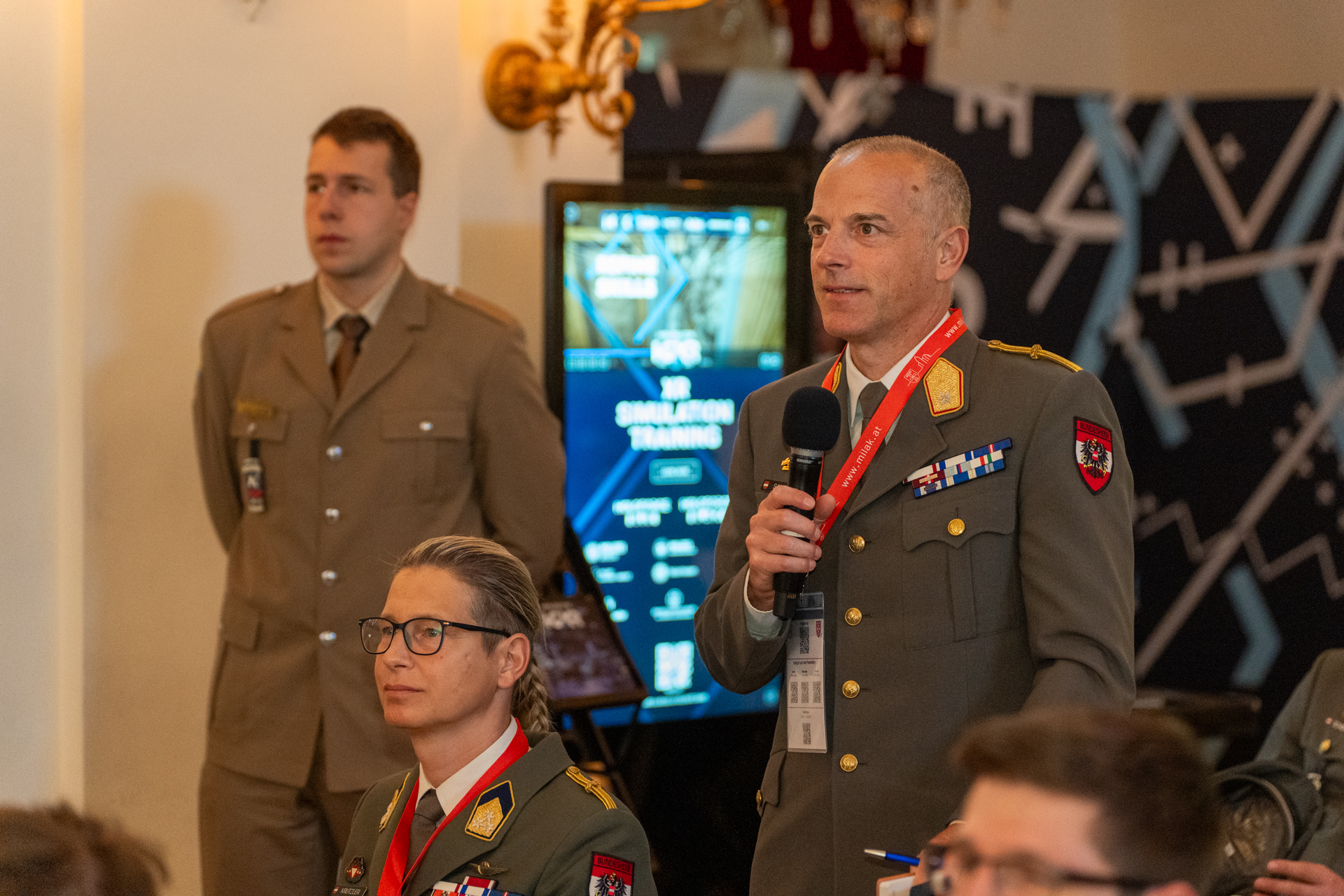
COL (GS) Bernhard Schulyok, MA from the Federal Ministry of Defence and Armed Forces (BMLV), along with the two military experts Dr Lukas Grangl and Dr Markus Gruber, argue that officer training must systematically prepare officers to maintain their decision-making superiority, even when adversaries attack their personal perception. This requires three institutional changes. These would be the collection of pre-defined and measured cognitive defence indicators, the redesign of military exercises with integrated controlled cognitive and manipulated attack scenarios, and the training of personnel in the metacognitive debriefing of these exercises.
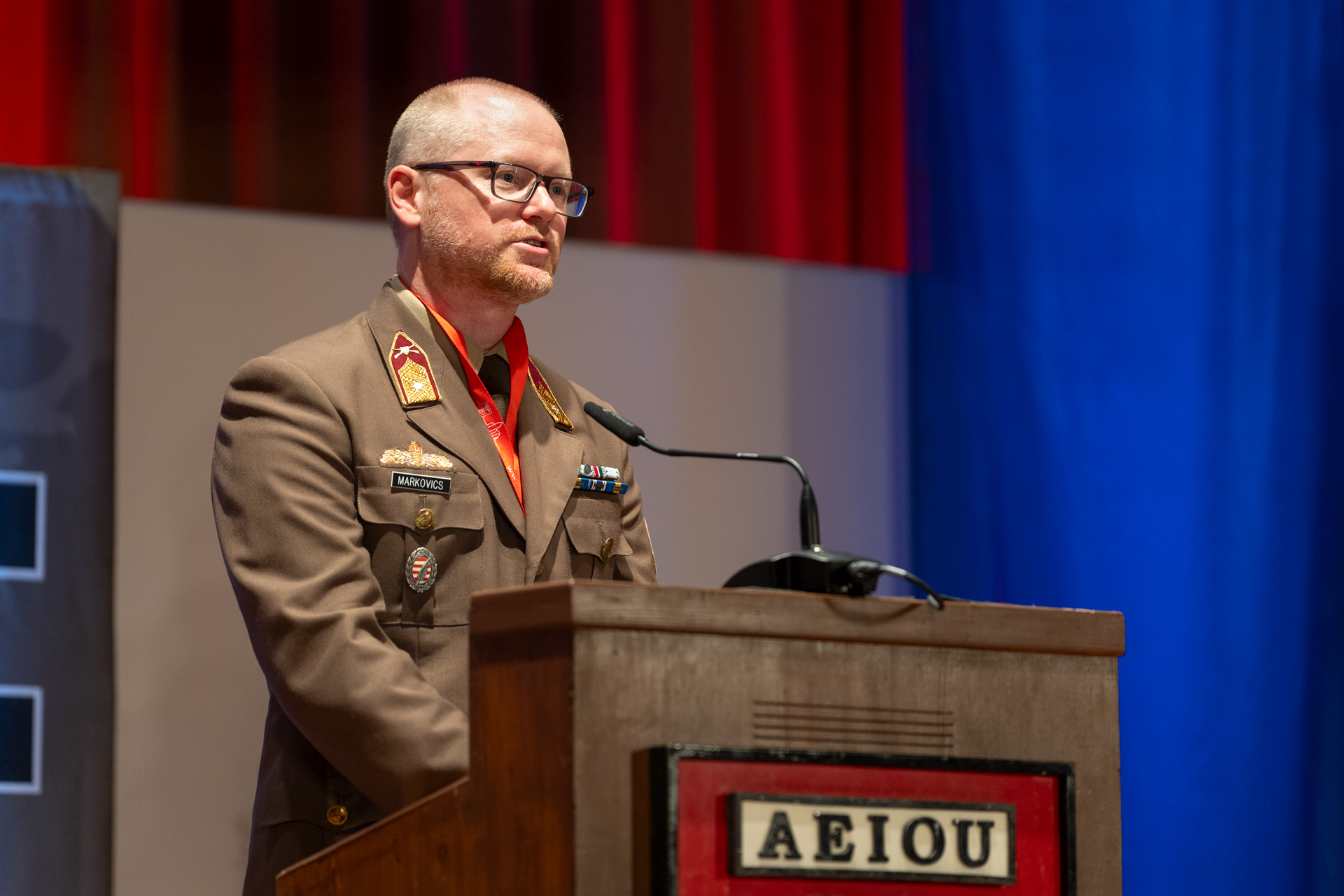
MAJ Milán Mór Markovics, PhD, from the Ludovika University of Public Service in Budapest, explained that AI-supported officer training must be designed so that military virtues are internalised and responsible judgement is fostered. As AI is not a neutral tool and can influence the ethical perspectives of officer cadets, safeguards are required. Under human supervision, AI can be used as a support tool to strengthen an officer’s moral capacity for action.
This information block concluded with a presentation by David Shakarishvili from Georgia, a PhD student at Klaipeda University in Lithuania. He calls for the teaching of moral decision-making, arguing that ethical dilemmas in autonomous warfare can be resolved by humans.
Ethical Dilemmas in Autonomous Warfare
This information block was introduced by CPT Georgios Evgenios, MA, from the Hellenic Army Academy. Drawing on the conflict in Ukraine, he sees the greatest challenge as integrating new technologies into European officer training without undermining the timeless principles of warfare, human judgement and leadership behaviour. Well-thought-out integration strategies should prioritise the necessary field skills, ethics and critical thinking, whilst setting limits on automation. Through the exchange of European experience between institutions, it must be ensured that technology ultimately strengthens, rather than weakens, officer training.
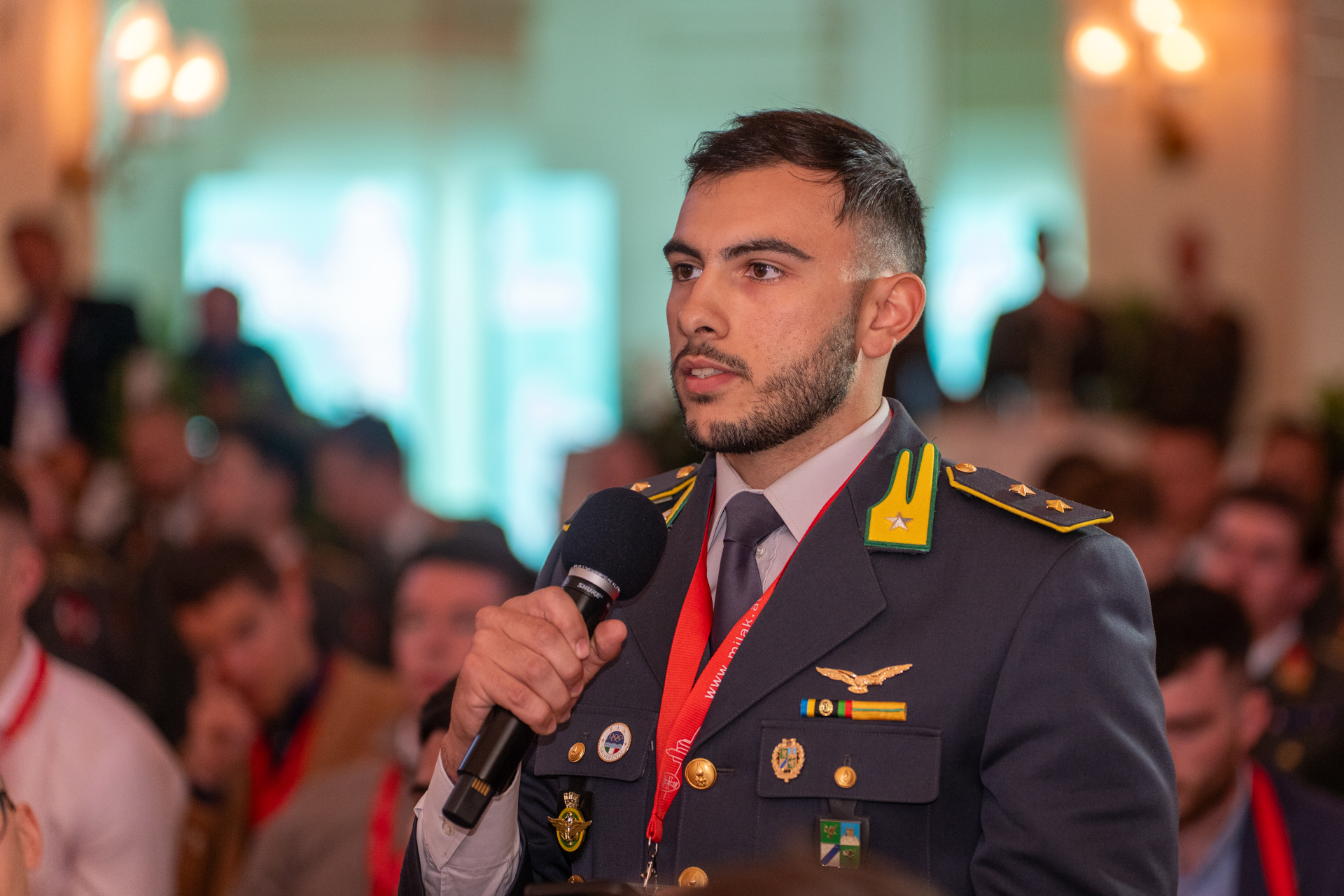
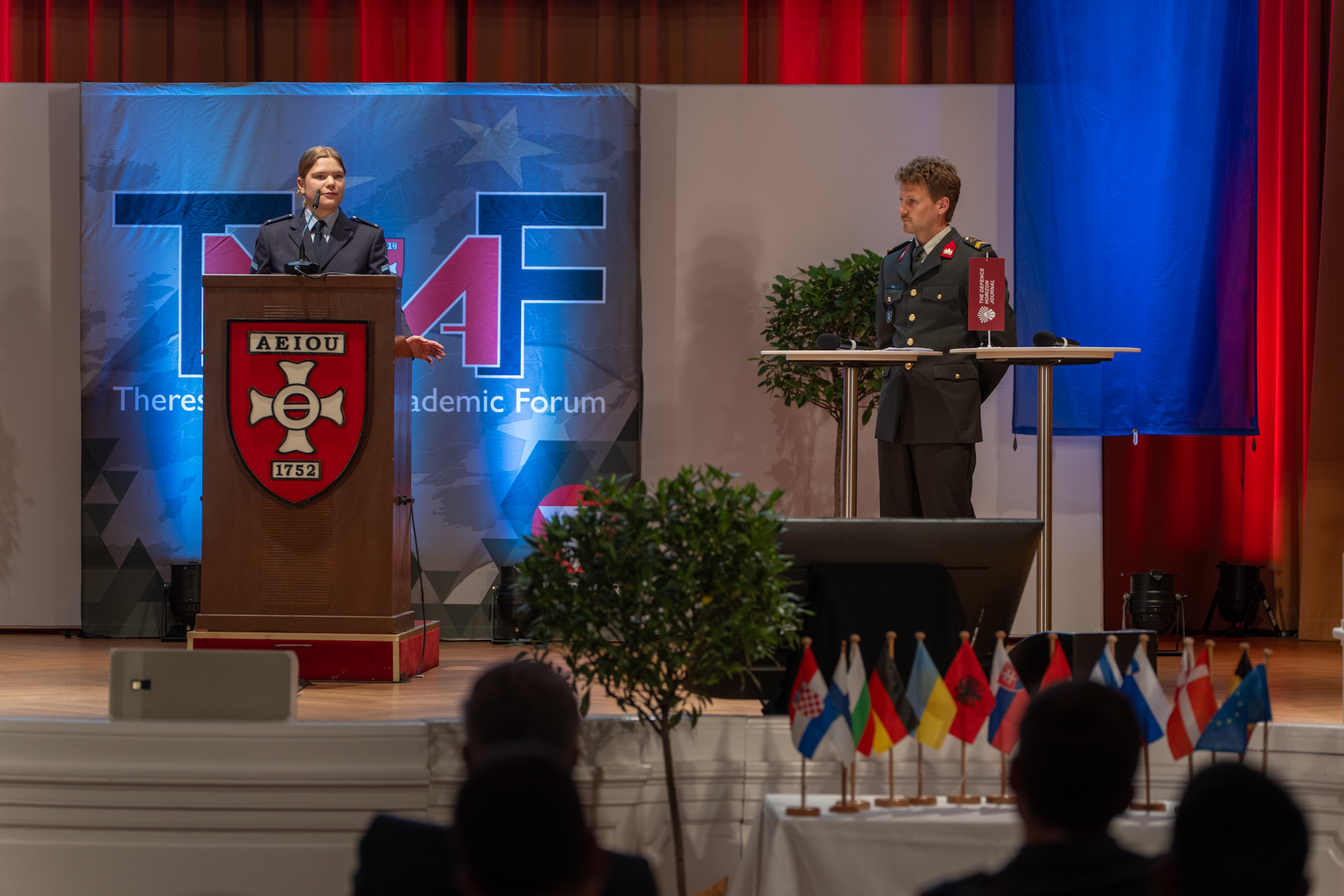
The final presentation at this year’s forum was delivered by the CPLs and Junior Researchers Jonas Pluis and Judith Oomen from the Netherlands Defence Academy. They presented the findings of a qualitative study conducted at their academy on how military ethics can remain relevant and effective on the battlefield in a world marked by geopolitical tensions and technological change. The participants in this study rated the ethics training they had previously completed as important and believed that it should not be abandoned in times of crisis. They saw ethics training as the foundation for decision-making, particularly under pressure. However, in the participants’ view, the training would be more relevant if it focused on imparting practical skills rather than theoretical knowledge. It can be inferred from this that greater importance is attached to character building than to rule-based approaches in ethics training. The three-day forum concluded with a discussion between the speakers and the audience.
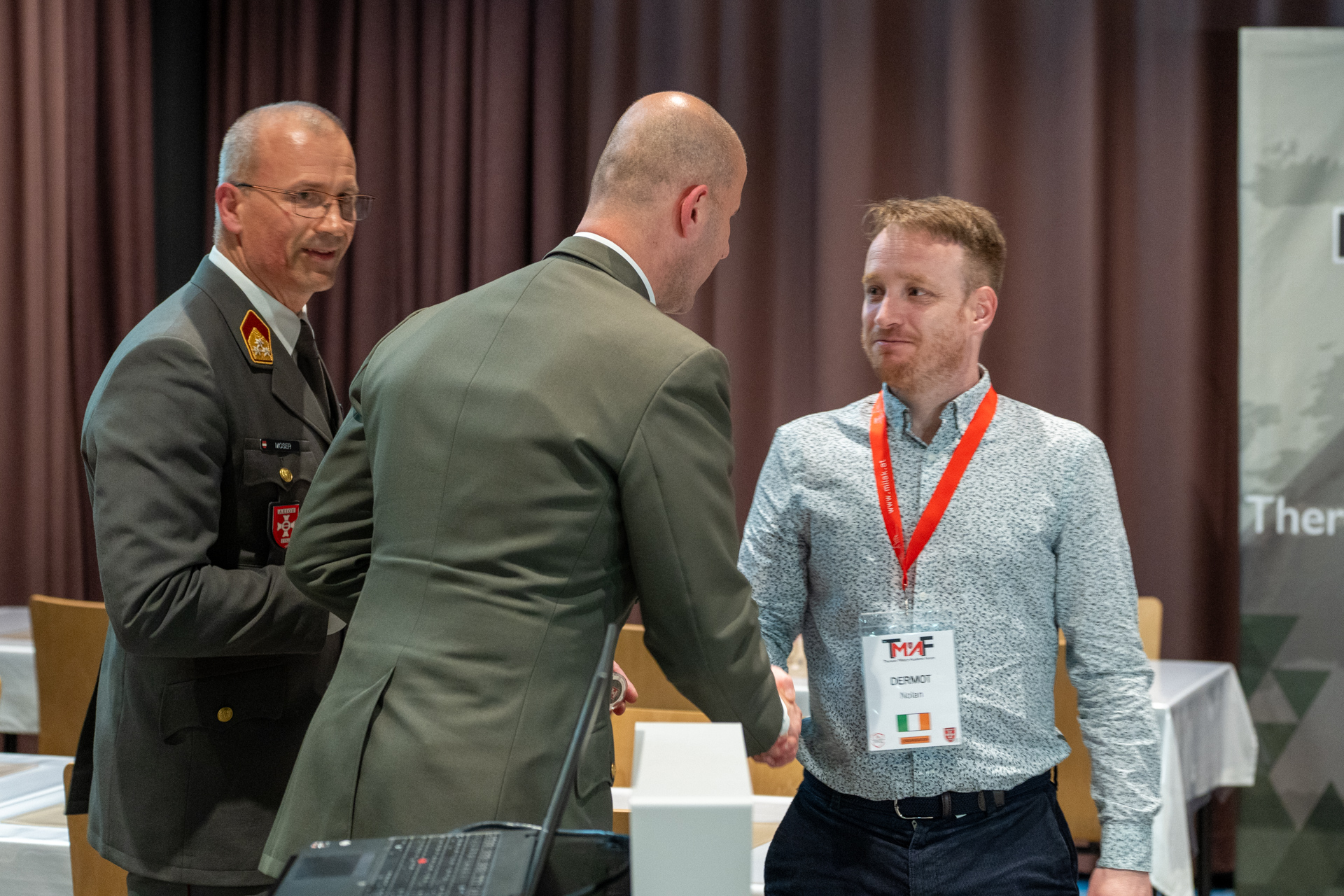
Mission Forward
The University of Applied Military Sciences must ensure that its degree programmes provide practice-oriented training at university level. This must impart the skills that enable our graduates to tackle the current and future challenges of the professional field in line with the latest scientific developments. Symposia generate military expertise from the international academic discourse to ensure research-based teaching, promote the exchange of experience and thus support institutional teaching and learning.
In selecting topics, the TMAF focuses on the current challenges faced by military leaders, with the aim of preparing them for possible future operations. This academic engagement thus lays important foundations for ensuring the operational readiness of armed forces. It therefore also provides added value for the Austrian Armed Forces.
Currently, many nations within the Western community of values are working intensively on the implications of the conflicts in Ukraine, Iran and Lebanon for future warfare and the consequences for the development of armed forces. The TMAF contributions are published and thus have a sustainable effect. The relevance of the event is confirmed by the high level of international participation and the numerous positive responses from both Austria and abroad, which validate the approach taken in organising the TMAF. The TMAF 2027 will take place from 11th –13th May 2027. The theme is: “Triumphing over the Terminator: Leaders, Algorithms, and War: Command in the Era of Autonomous Systems”.
“Evil does not come from technology, but from those who misuse it.”
(Jacques-Yves Cousteau).
The Institute for Basic Officer Training thanks the following companies for their contribution to the exhibition at TMAF 2026: